
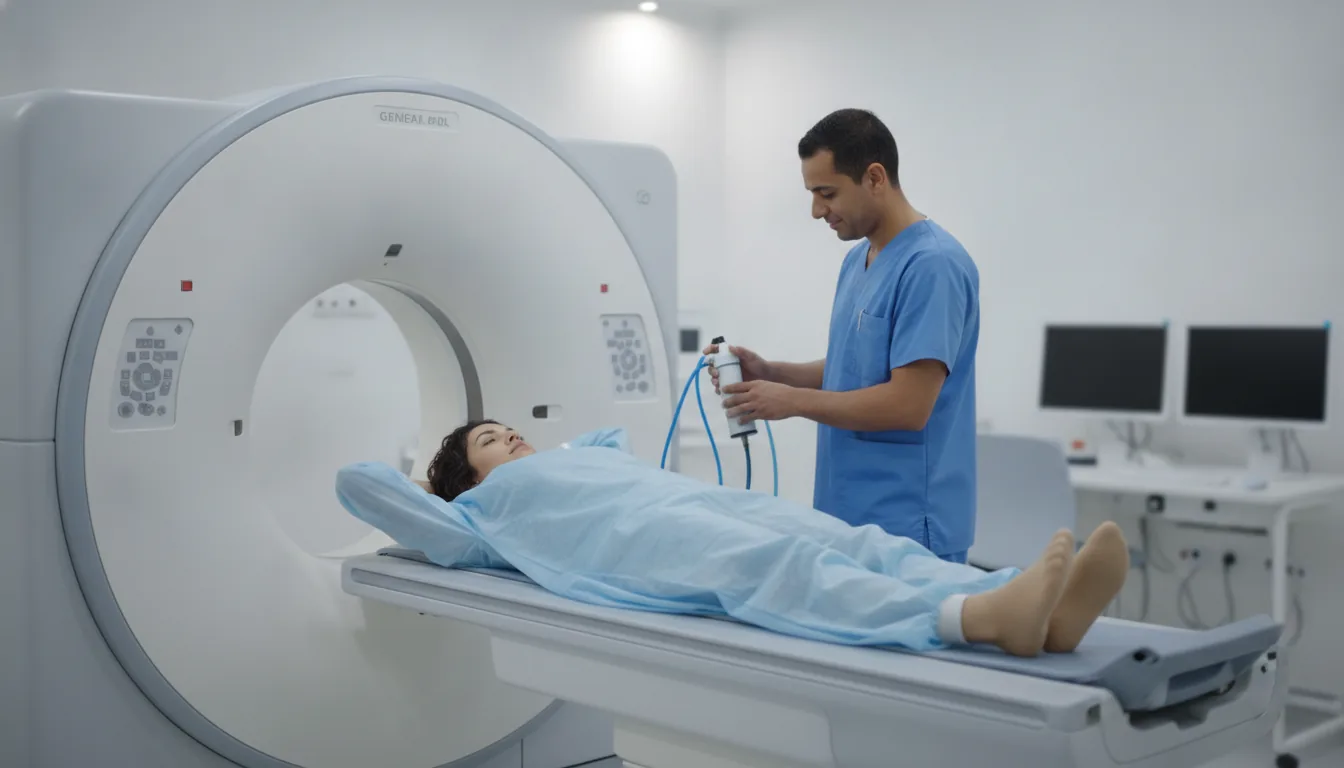
Dual-energy CT scan
CT scan in Tunis, Tunisia · Centre Urbain Nord
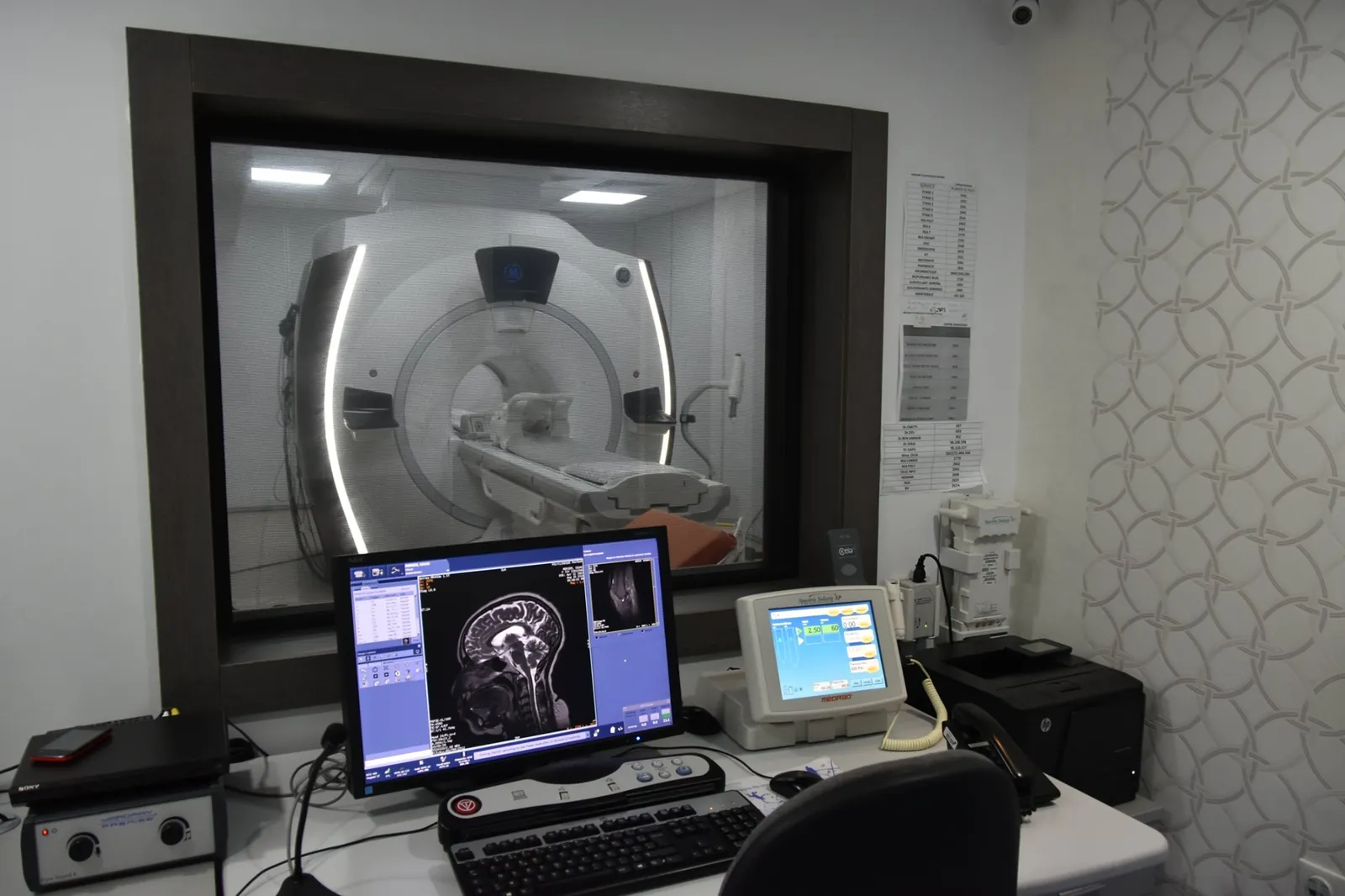
Latest-generation CT scanner using dual-energy technology for superior tissue differentiation, enabling more accurate diagnoses with an optimized radiation dose.
What is it?
CT examinations performed at the clinic
Click on an examination to find out what it is for, how to prepare and how it takes place. Several regions can be examined during the same session if your doctor requests it.
Head and neck
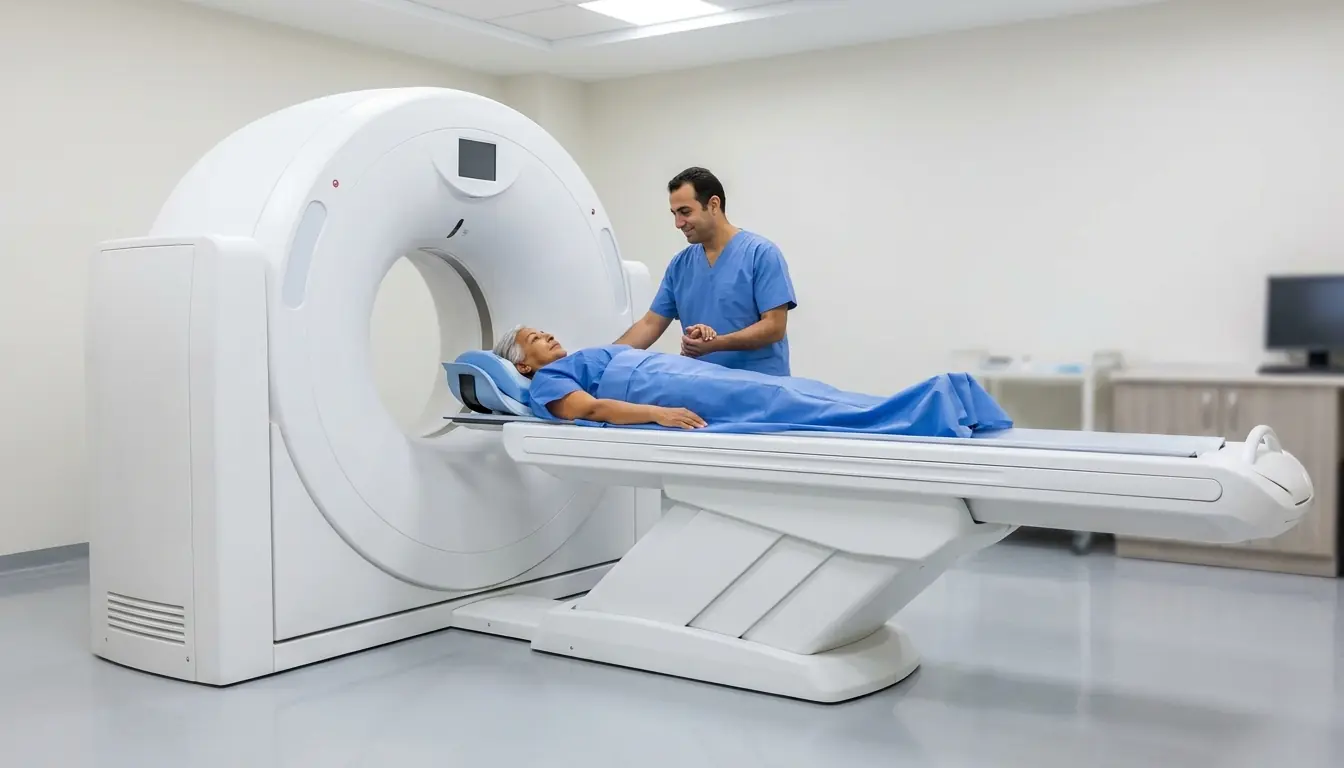
Brain CT scan (head CT)
Brain CT scan in Tunis: a fast examination of the brain and skull, widely used in emergencies (stroke, head injury, sudden severe headache).
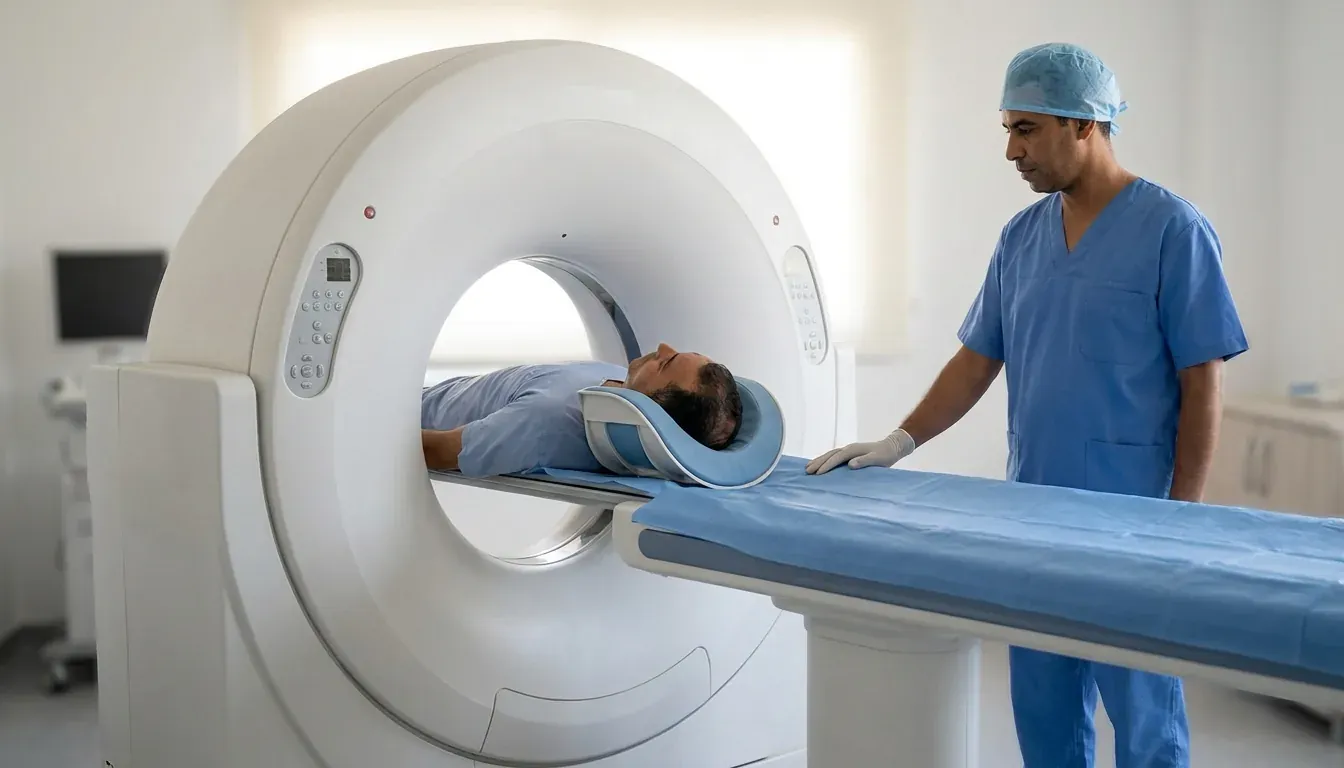
CT scan of the sinuses, facial bones and orbits
CT scan of the sinuses, face and orbits in Tunis: chronic sinusitis, assessment before sinus surgery, facial injury, low-dose examination.
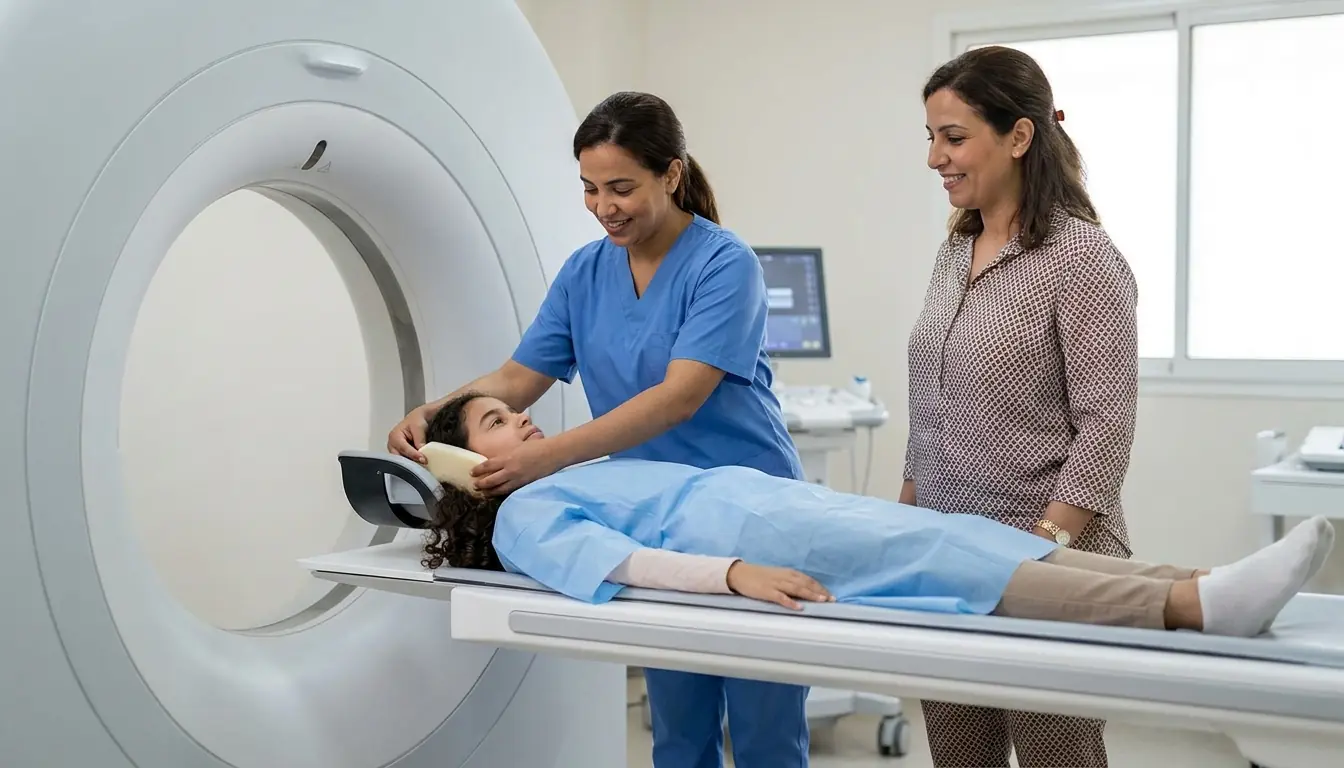
CT scan of the temporal bones (ear CT)
Temporal bone CT scan in Tunis: fine imaging of the middle and inner ear bones (chronic otitis, cholesteatoma, hearing loss, before surgery or implant).
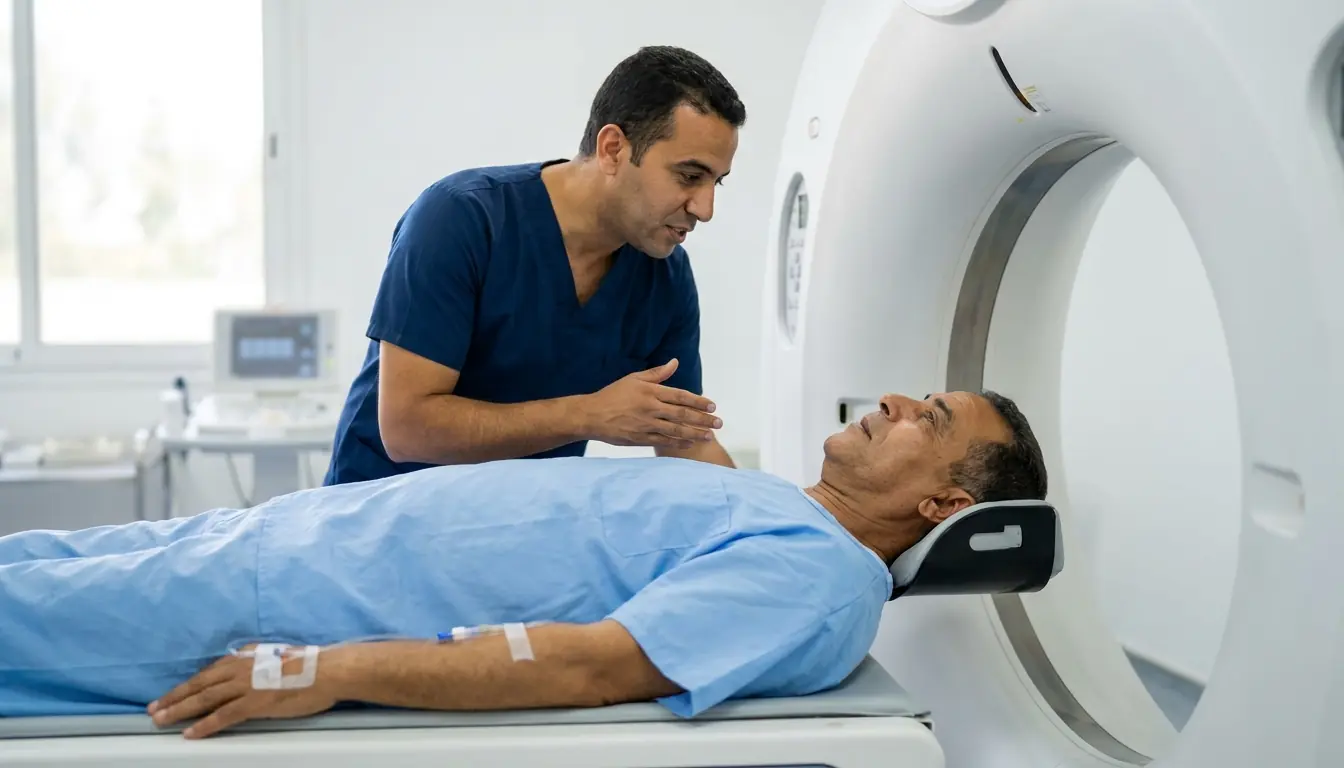
Neck CT scan (nasopharynx, larynx)
Neck CT scan in Tunis: assessment of a lump, lymph nodes, the nasopharynx or the larynx, usually with an iodinated contrast injection.
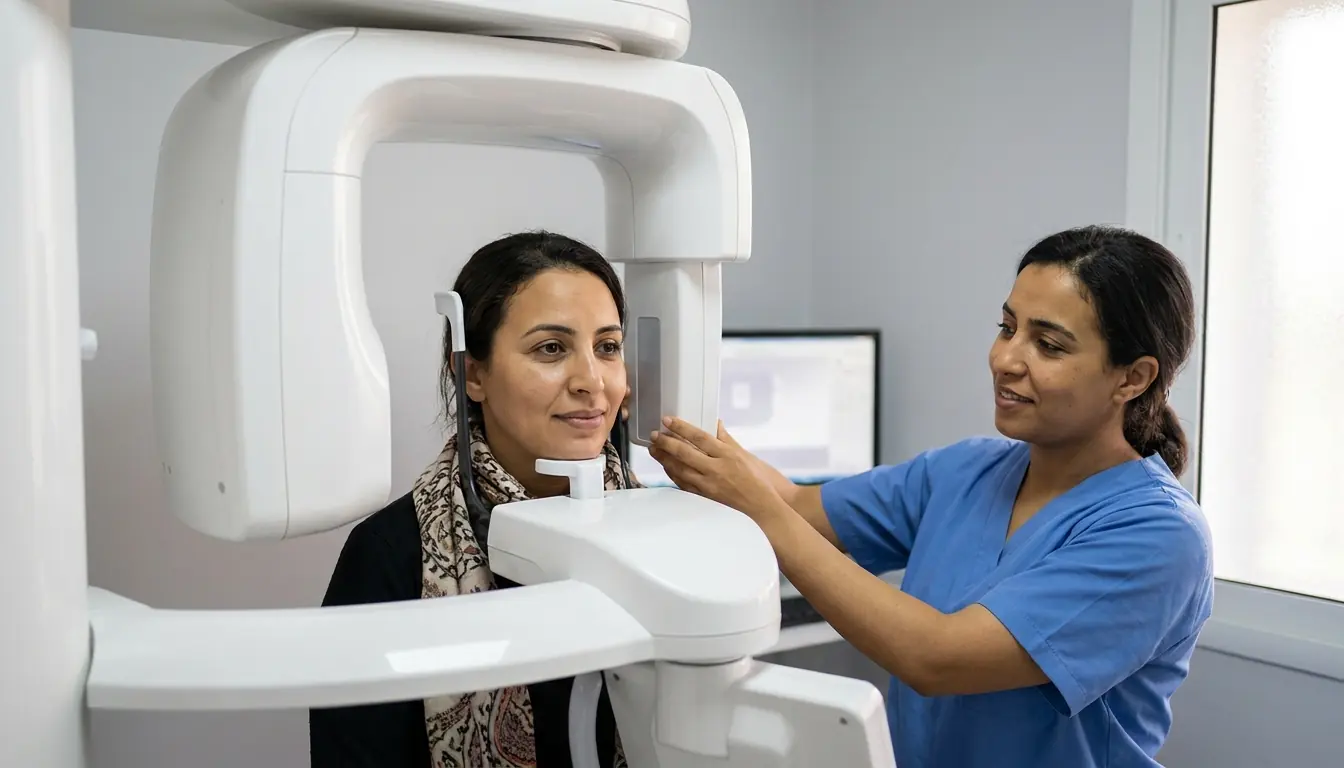
Dental CT and cone beam CT (3D imaging of the jaws)
Dental CT and cone beam CT in Tunis: 3D imaging of the jaws before a dental implant, for an impacted tooth or a cyst, without injection.
Chest and heart
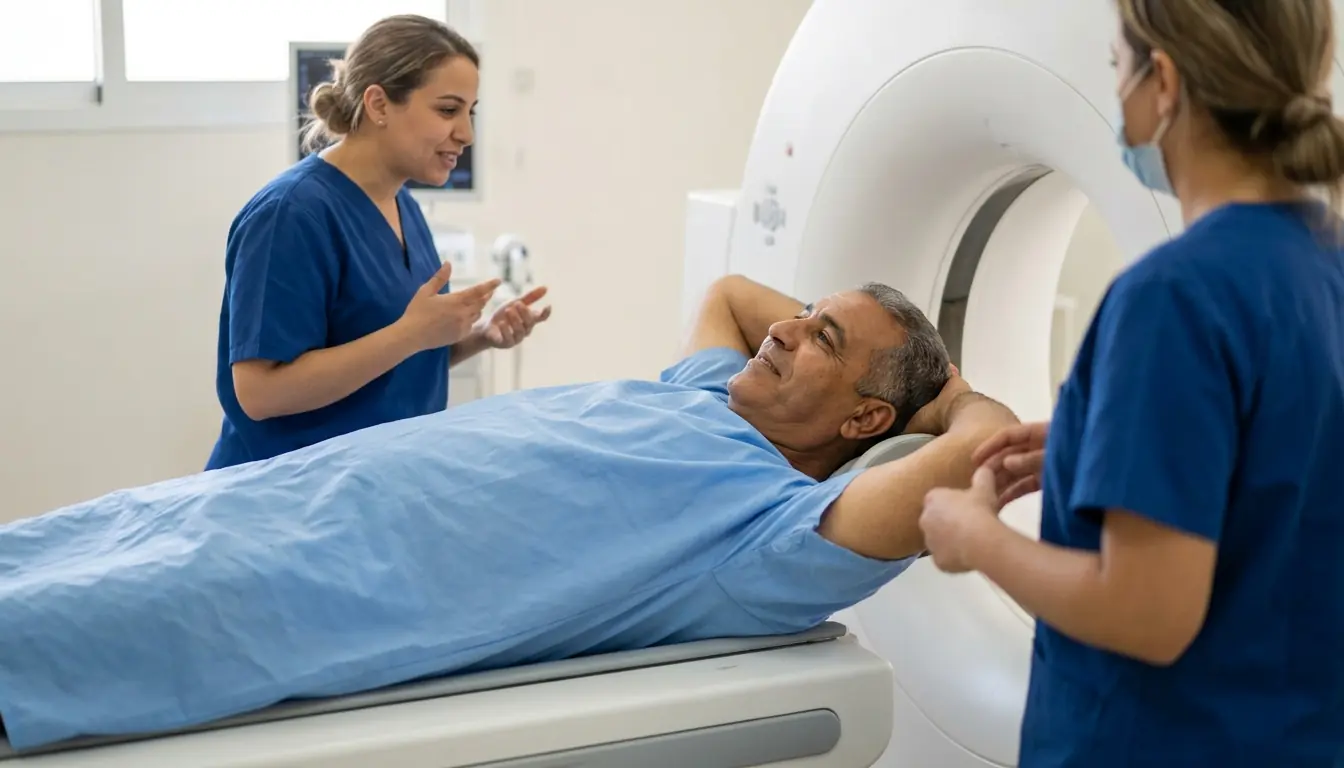
Chest CT scan (lung CT)
Chest CT scan in Tunis: examination of the lungs, airways and mediastinum (nodule, infection, lung disease), sometimes with a low dose.
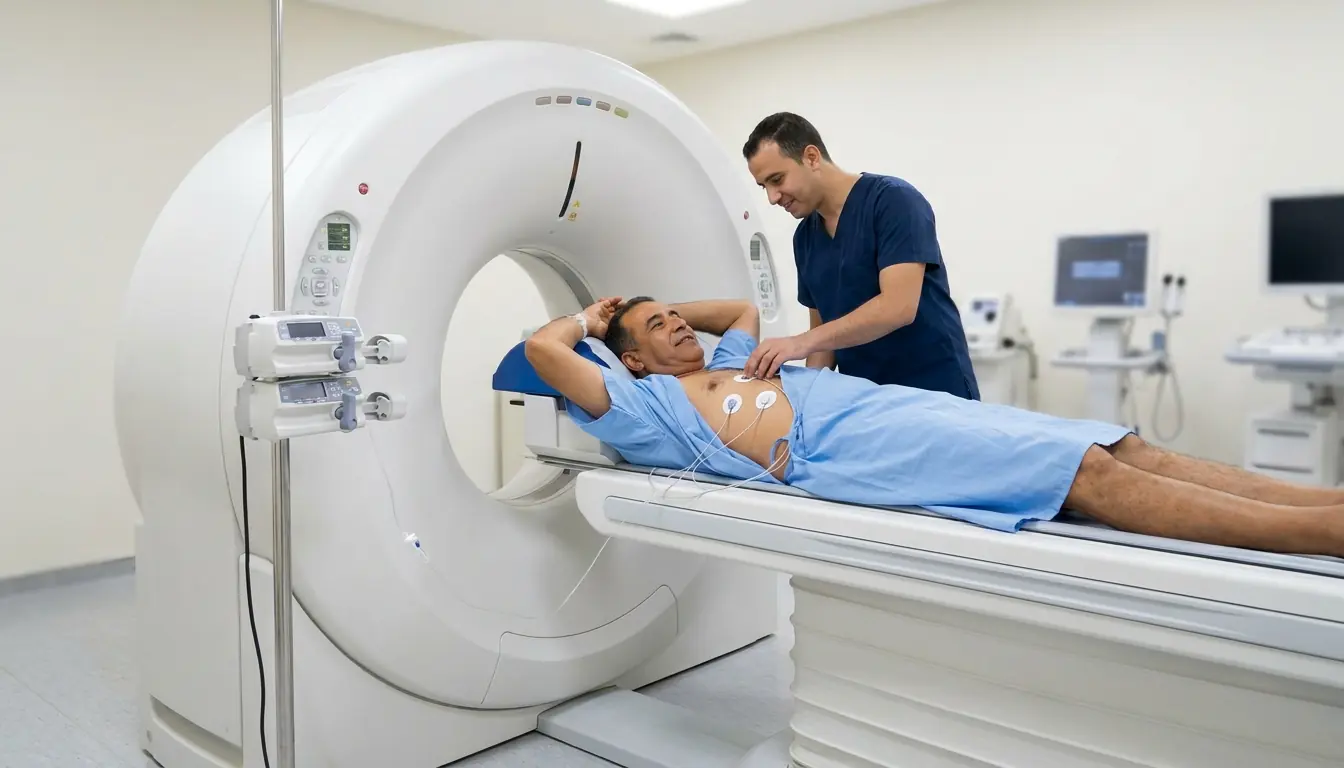
Coronary CT angiography (CT of the coronary arteries)
Coronary CT angiography in Tunis: CT scan of the heart arteries with an iodinated injection, to look for narrowing without a catheter.
Abdomen, pelvis and urinary tract
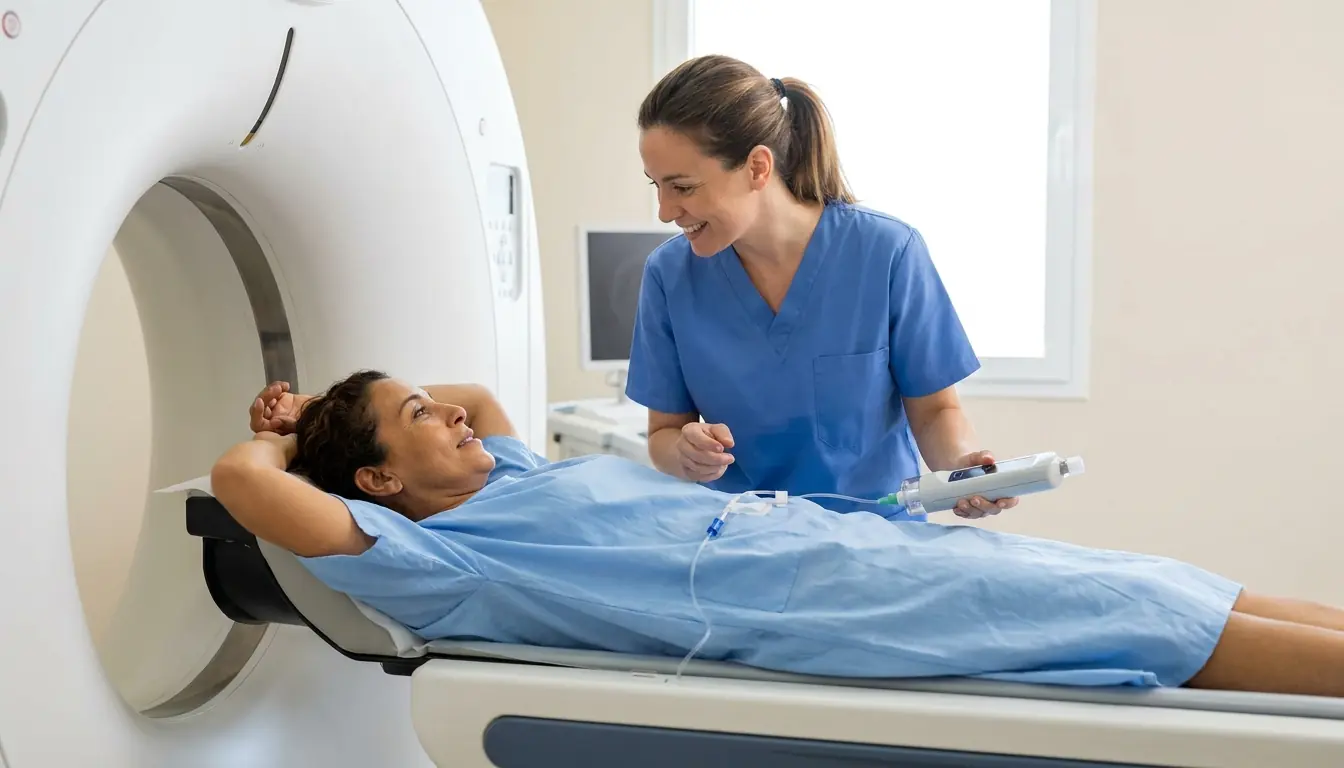
Abdominal and abdominopelvic CT scan
Abdominal and abdominopelvic CT scan in Tunis: abdominal pain, appendicitis, diverticulitis, stones, assessment of a mass, often with injection.
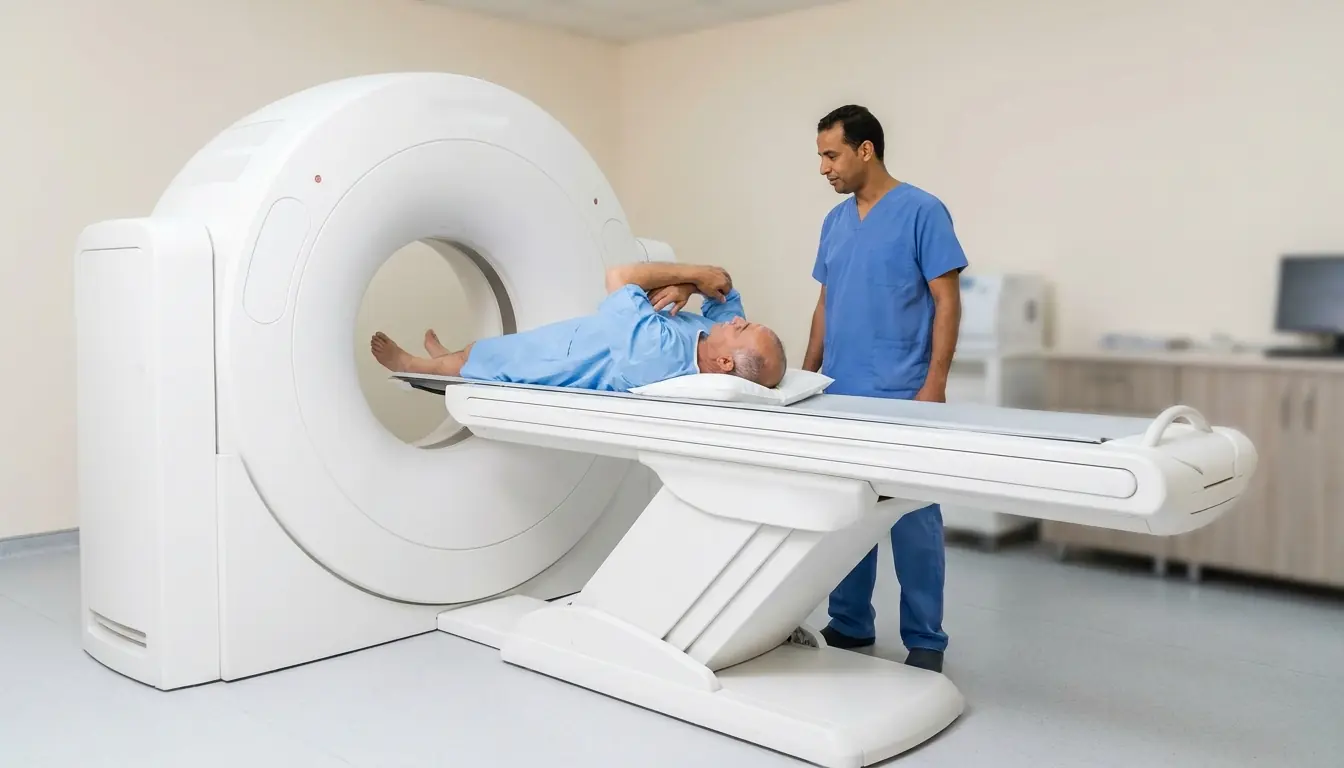
Chest, abdomen and pelvis CT scan (CAP)
Chest, abdomen and pelvis CT scan in Tunis: chest, abdomen and pelvis in a single test, for cancer staging and follow-up or major trauma.
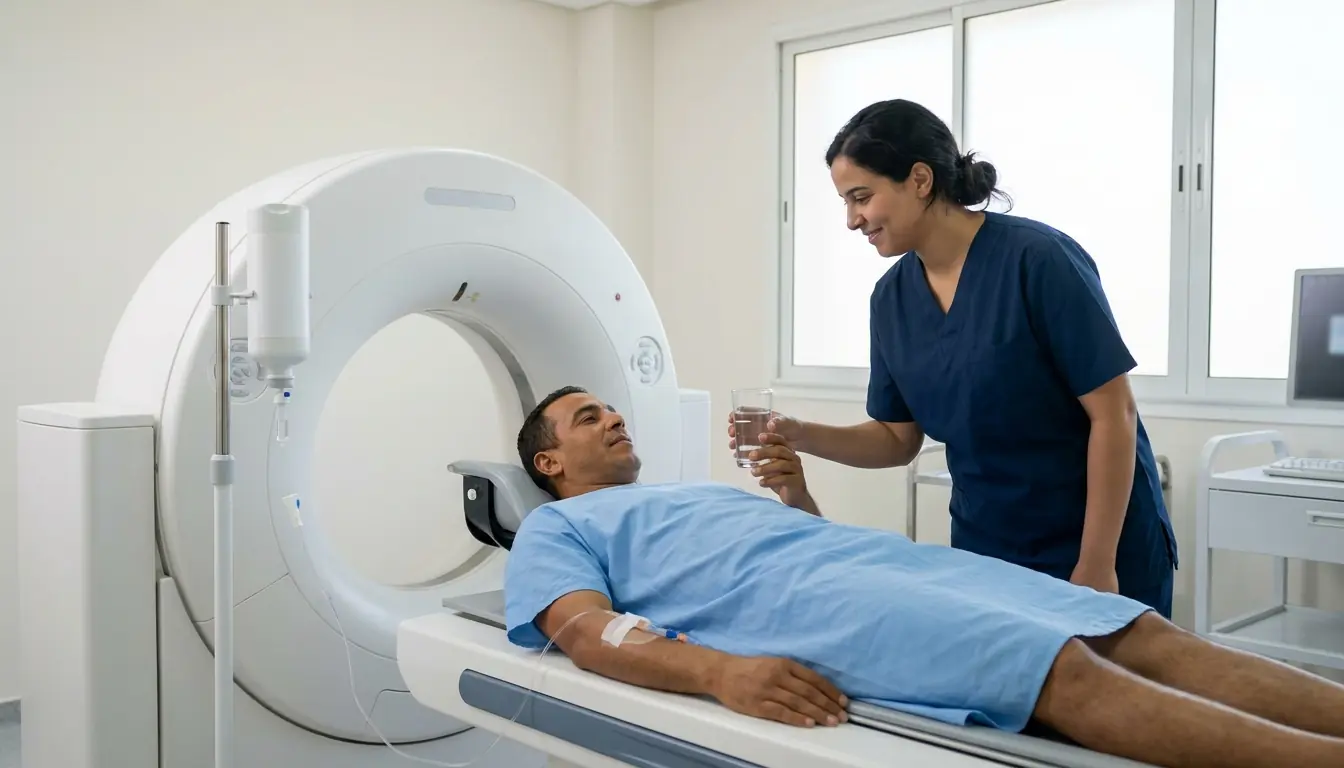
CT urography (CT of the urinary tract)
CT urography in Tunis: CT scan of the kidneys, ureters and bladder with an iodinated injection, for blood in the urine, stones or tumours.
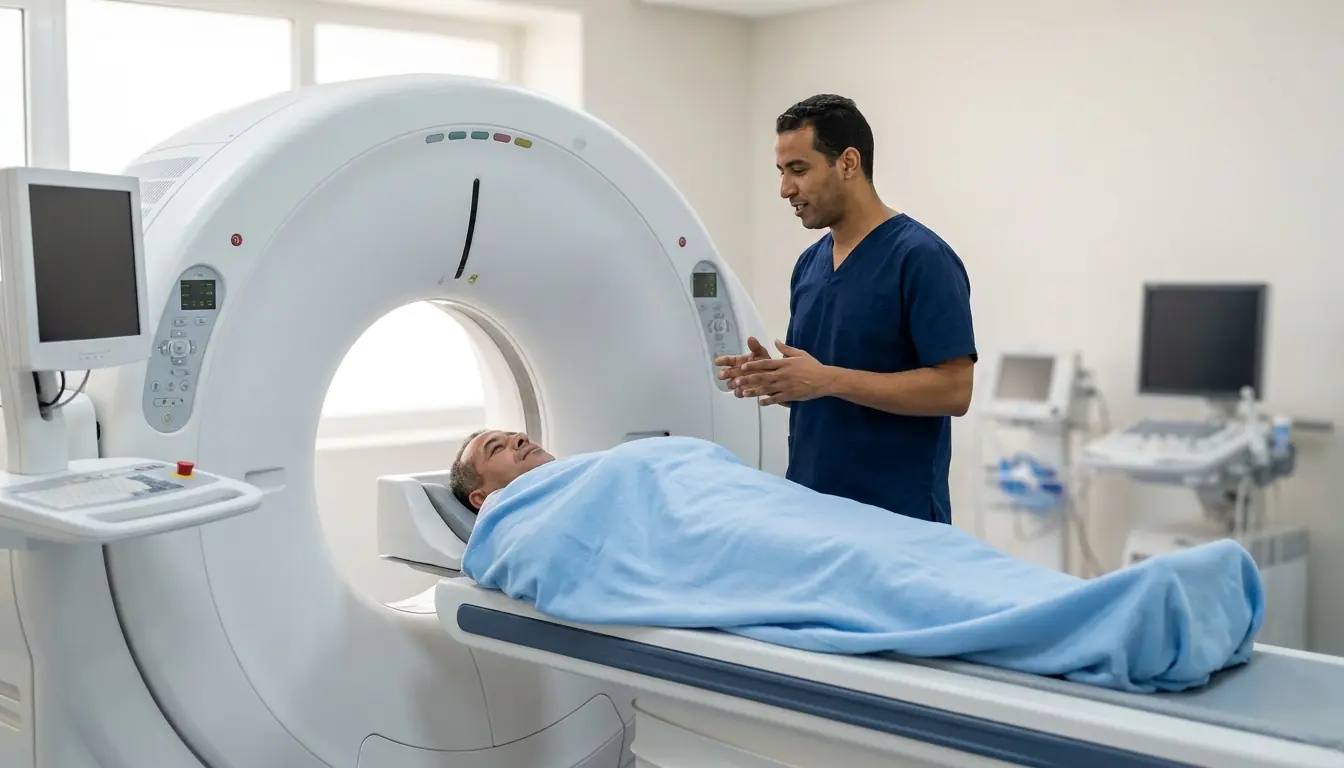
CT colonography (virtual colonoscopy)
CT colonography in Tunis: virtual colonoscopy by CT scan to examine the colon when colonoscopy is incomplete or not advisable.
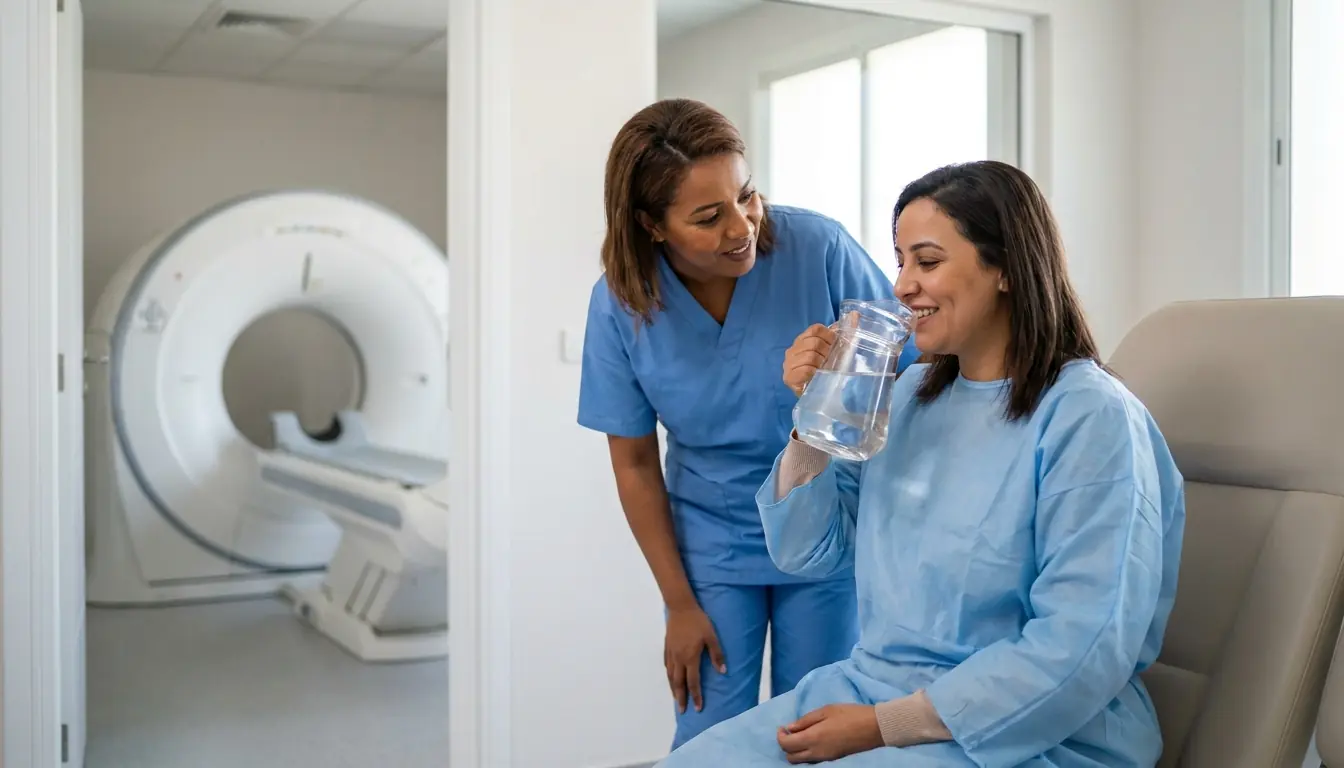
CT enterography (CT of the small bowel)
CT enterography in Tunis: CT scan of the small bowel after a contrast drink, for Crohn's disease, digestive bleeding or a small bowel tumour.
Spine, bones and joints
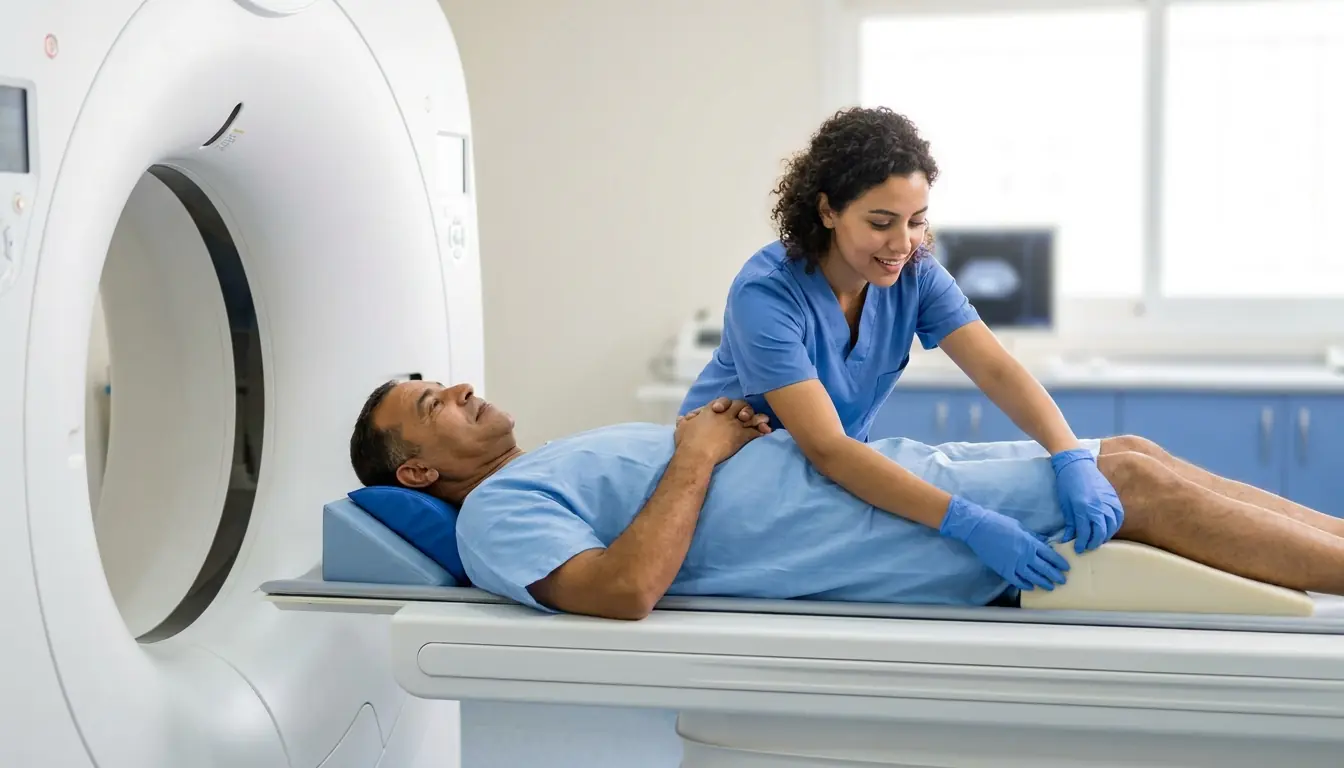
Spine CT scan (cervical, thoracic, lumbar)
CT scan of the cervical, thoracic or lumbar spine in Tunis: vertebrae and discs, for disc herniation, fracture, arthritis or spinal stenosis.
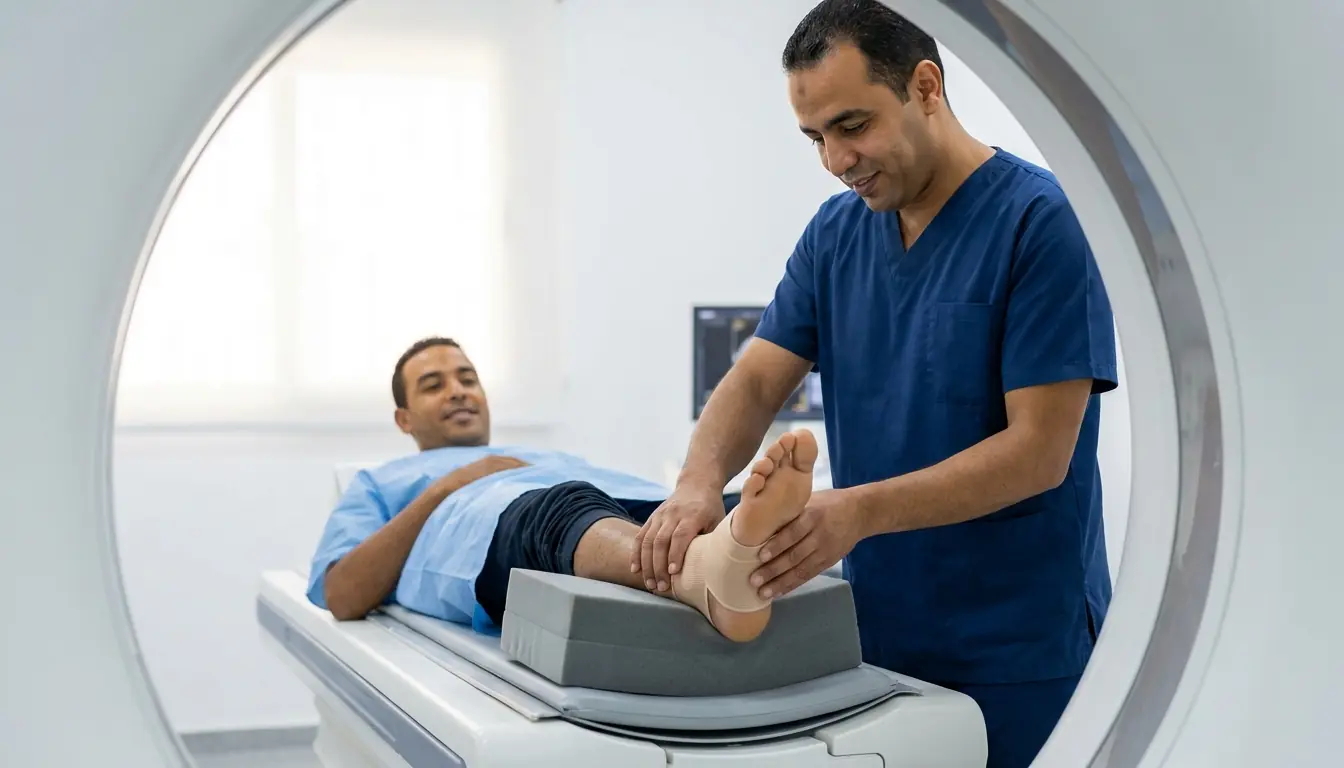
CT scan of bones and joints (pelvis, knee, ankle, wrist, extremities)
CT scan of bones and joints in Tunis (pelvis, knee, ankle, wrist, hand, foot): complex fracture, assessment before surgery, bone healing.
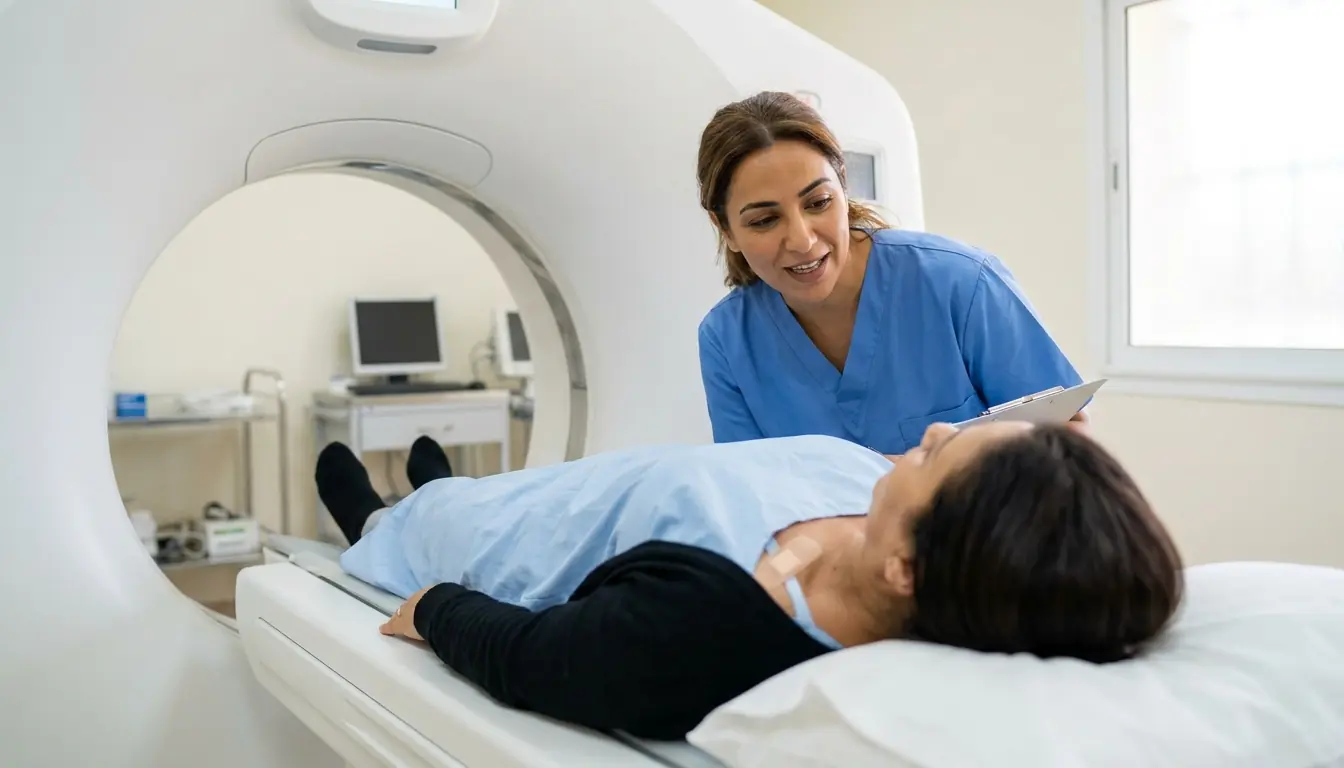
CT arthrography and arthrography
CT arthrography and arthrography in Tunis: contrast injected into the joint, then images, for the shoulder, knee, wrist or hip.
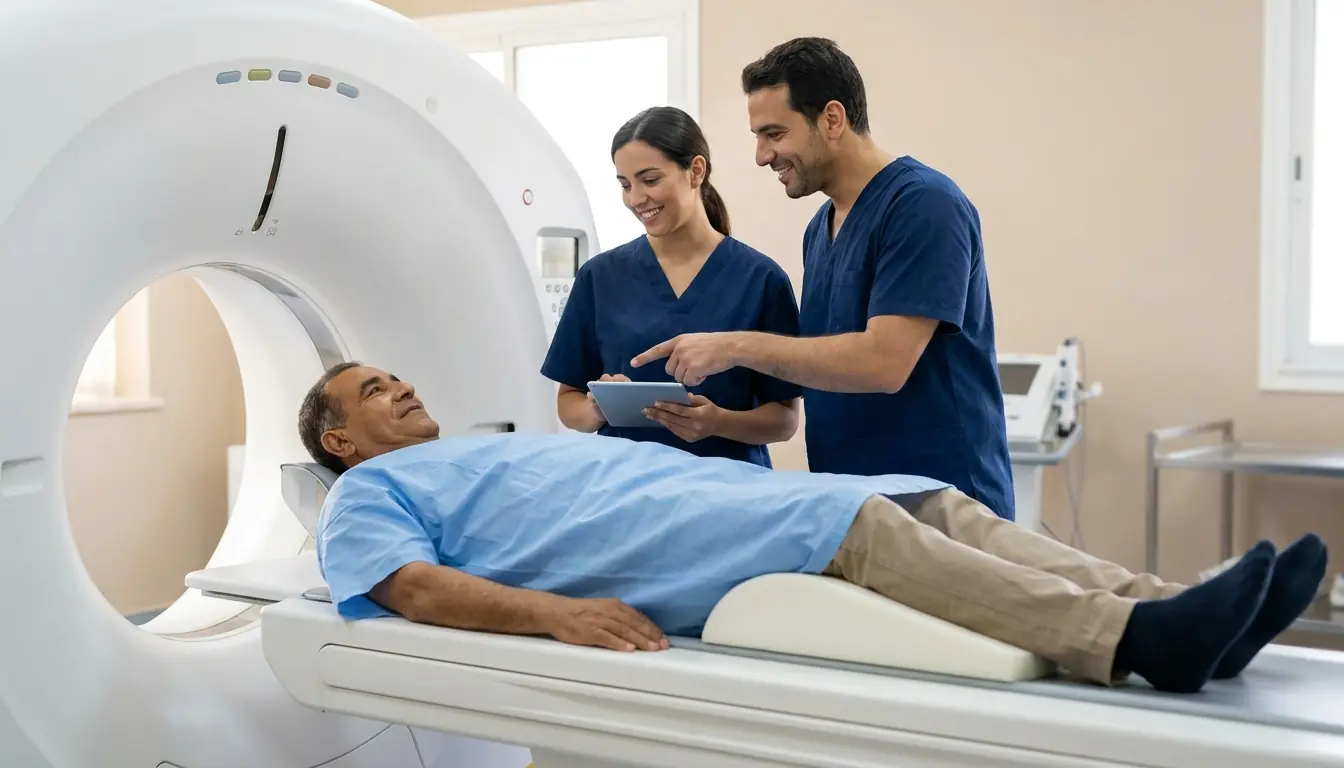
CT myelography (and myelography)
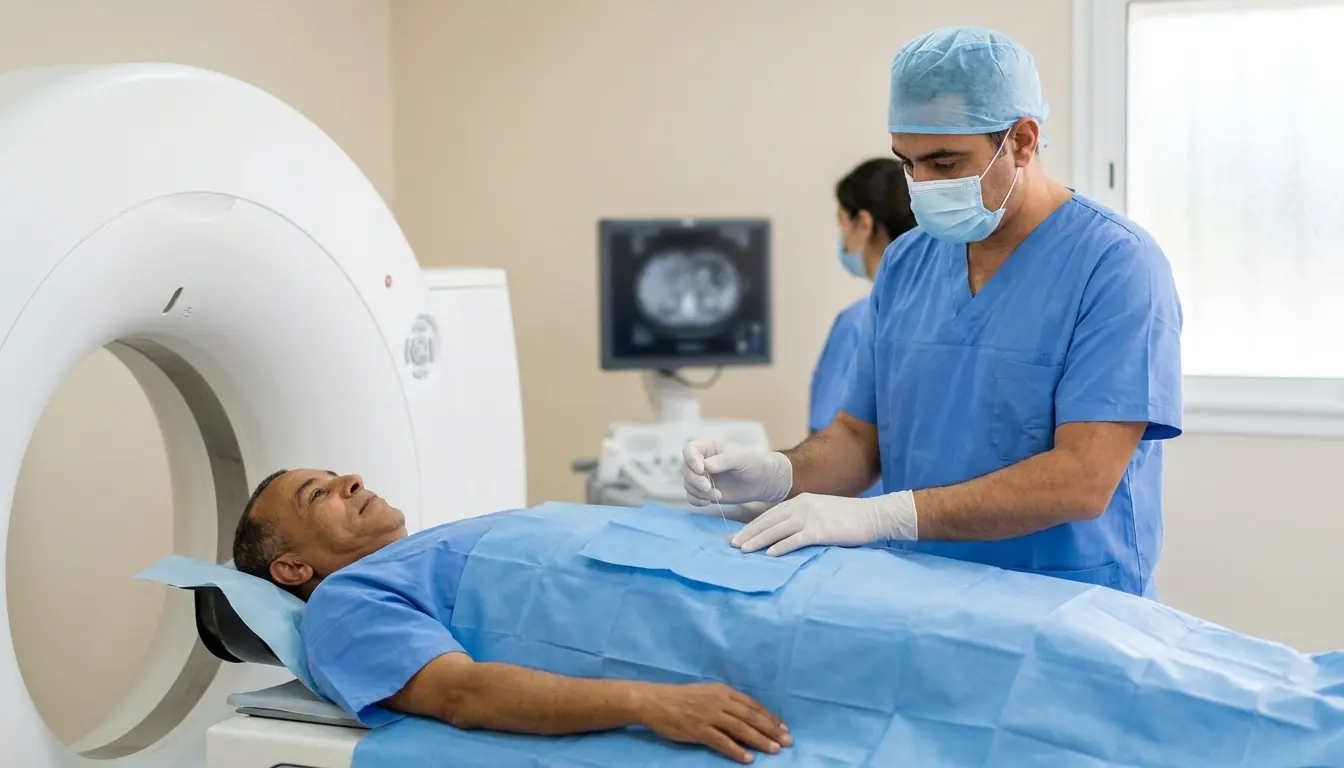
CT myelography in Tunis: CT scan after contrast is injected around the spinal cord by lumbar puncture, when MRI is not possible or not enough.
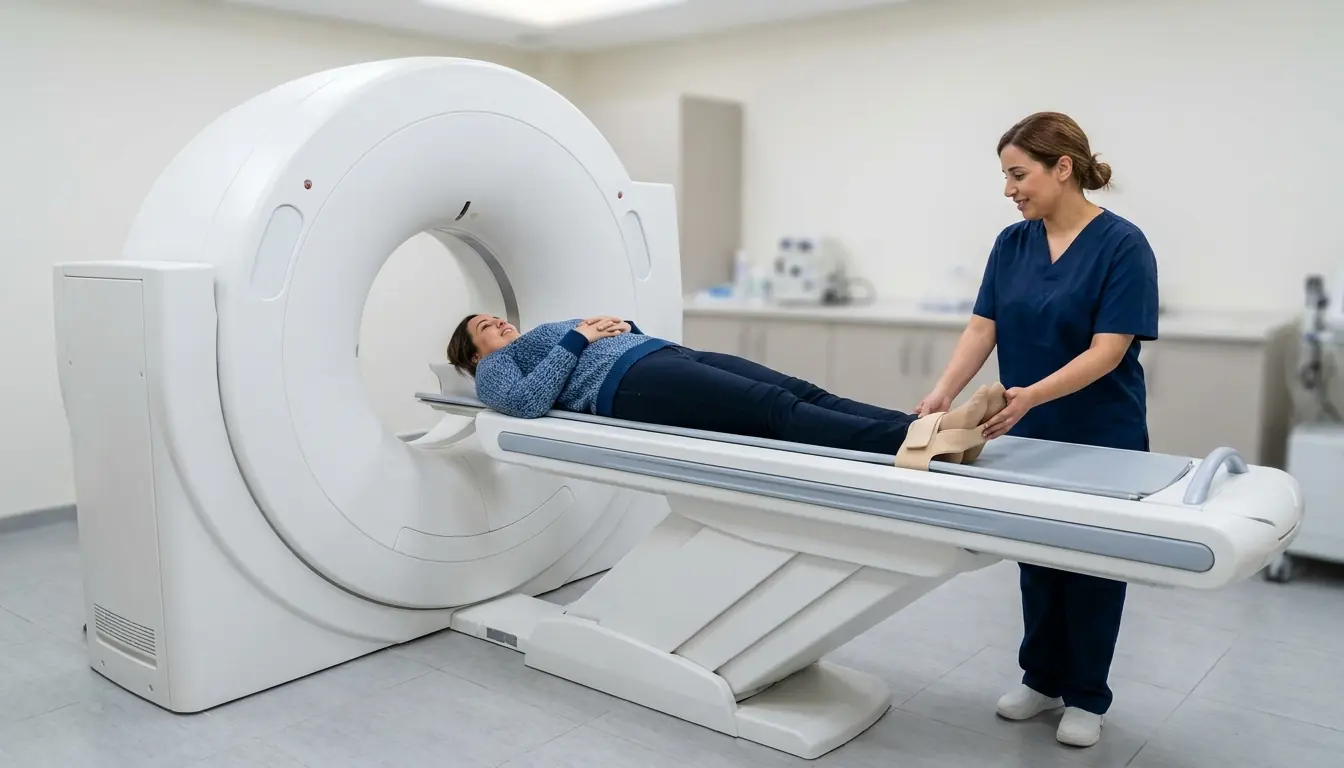
CT measurements: pelvimetry, leg length scanogram
CT pelvimetry and scanogram in Tunis: measurement of the pelvis in late pregnancy or of leg length, with a very low radiation dose.
Blood vessels (CT angiography)
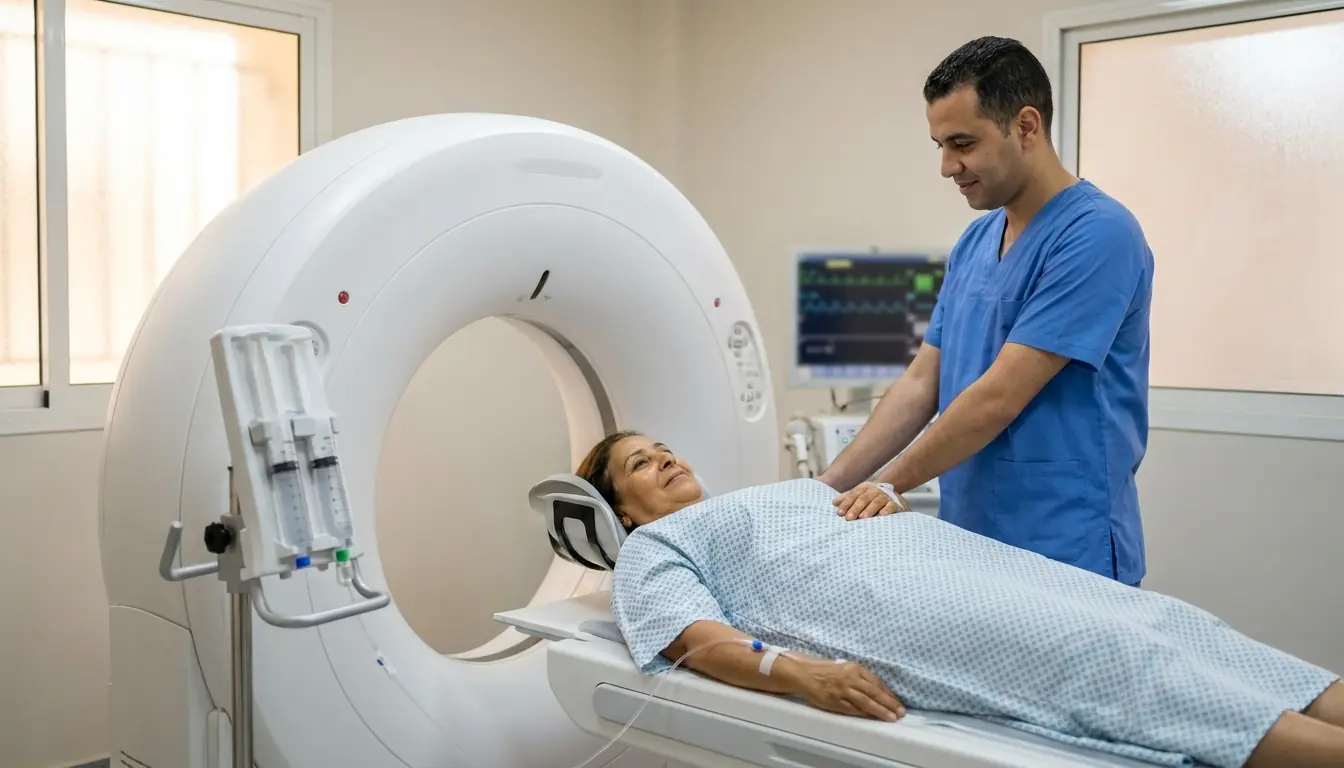
CT angiography of the neck and brain arteries (supra-aortic trunks, circle of Willis)
CT angiography of the neck and brain arteries in Tunis (circle of Willis): stroke, carotid stenosis, aneurysm, with an iodinated injection.
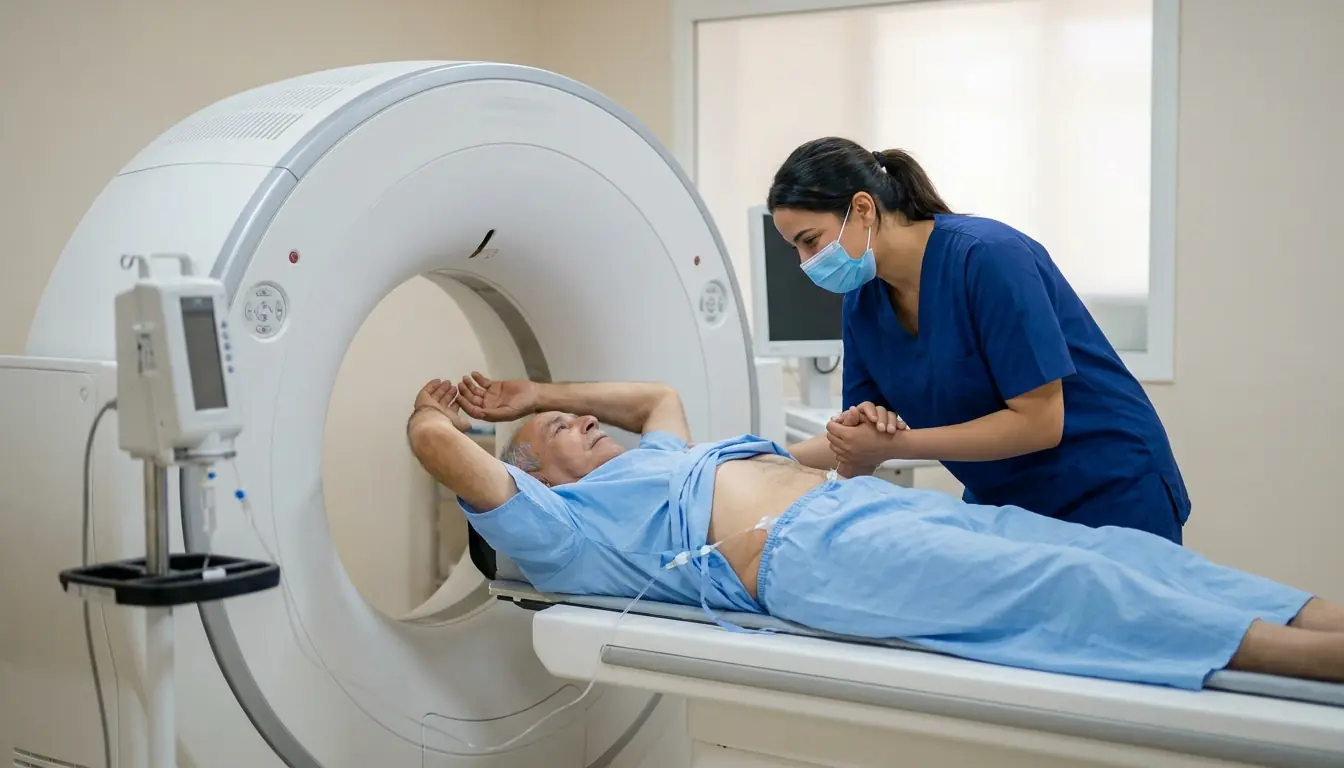
CT angiography of the aorta, chest and abdominal vessels
Chest and abdominal CT angiography in Tunis: pulmonary embolism, aortic aneurysm or dissection, kidney arteries and liver vessels.
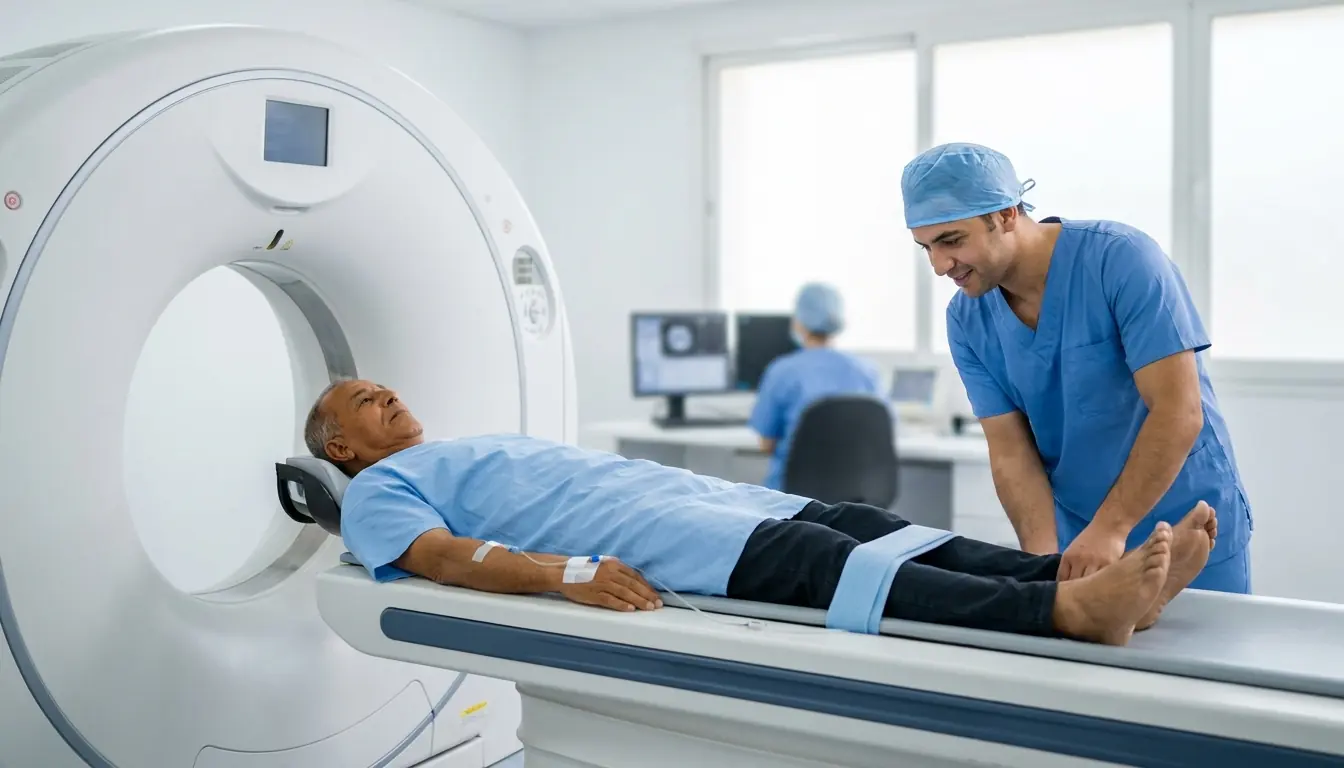
CT angiography of the limbs and peripheral vessels
Limb CT angiography in Tunis: leg arteries (pain when walking), assessment before revascularisation, dialysis fistula, with injection.
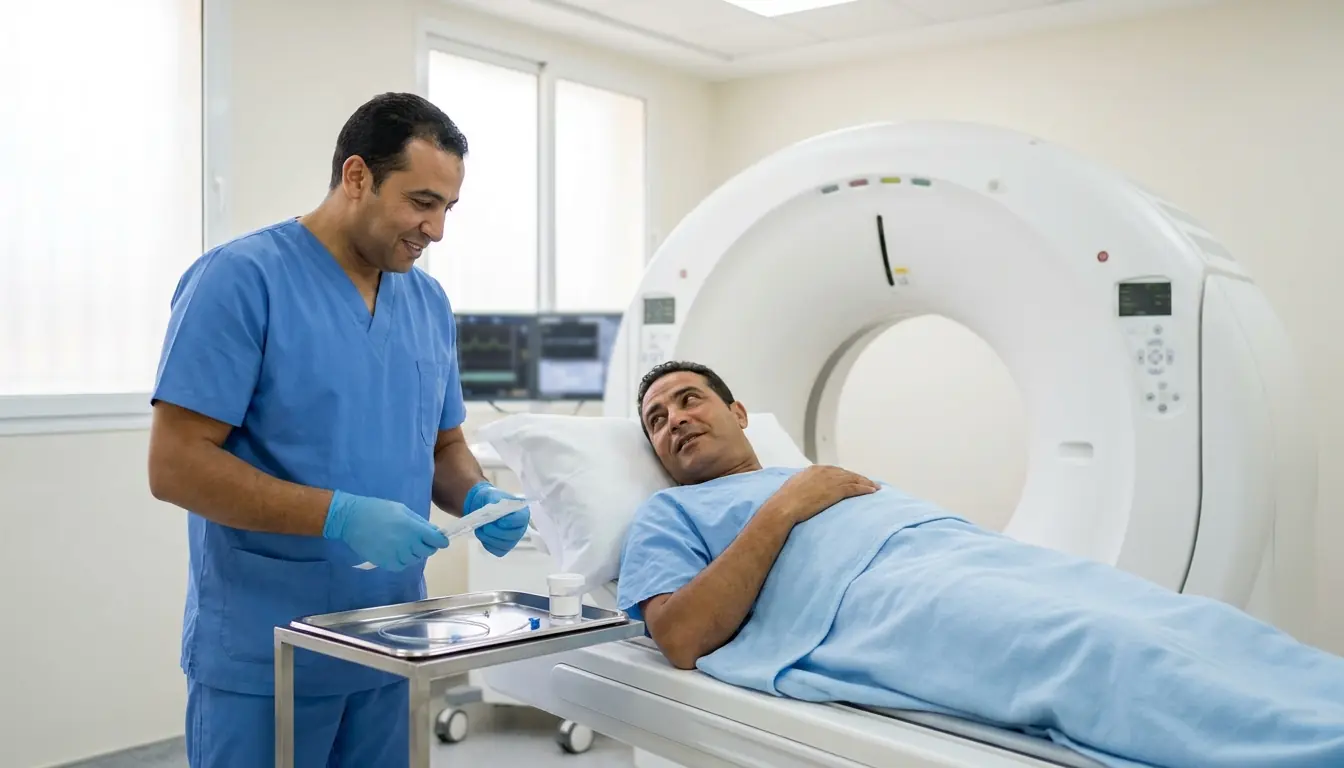
Fistulography and CT fistulography
Fistulography and CT fistulography in Tunis: contrast injected into the opening of a fistula to show its path, a test with little discomfort.
When is it indicated?
The CT scan makes it possible to locate a lesion, measure its extent and monitor its progression during treatment. It is an essential tool for the medical team to adapt care at every stage.
With a contrast agent injection, the CT scan visualizes the blood vessels in detail. It is requested urgently when a clot in the lungs or damage to the aorta is suspected.
In cases of persistent cough, shortness of breath or an abnormality on an X-ray, the chest CT scan finely examines the lungs and the region between them to determine the cause.
The CT scan explores all the organs of the abdomen in a matter of moments. It helps explain abdominal pain, characterize an abnormality seen on ultrasound or look for an infection.
The CT scan detects stones in the kidneys and urinary tract with great reliability. Dual-energy technology can even help determine their nature, which guides treatment to prevent recurrence.
When a fracture is difficult to analyze on a plain X-ray, the CT scan provides three-dimensional images of the bones. It is also used to check the condition of the skeleton as part of a cancer workup.
Cardiac CT makes it possible to examine the arteries of the heart without any intervention and to assess the presence of calcium deposits, helping the cardiologist estimate the health of the coronary arteries.
Thanks to its speed, the CT scan is the examination of choice in emergency situations: it quickly assesses the situation after an accident, in the presence of signs of stroke or sudden abdominal pain.
Preparation
Procedure
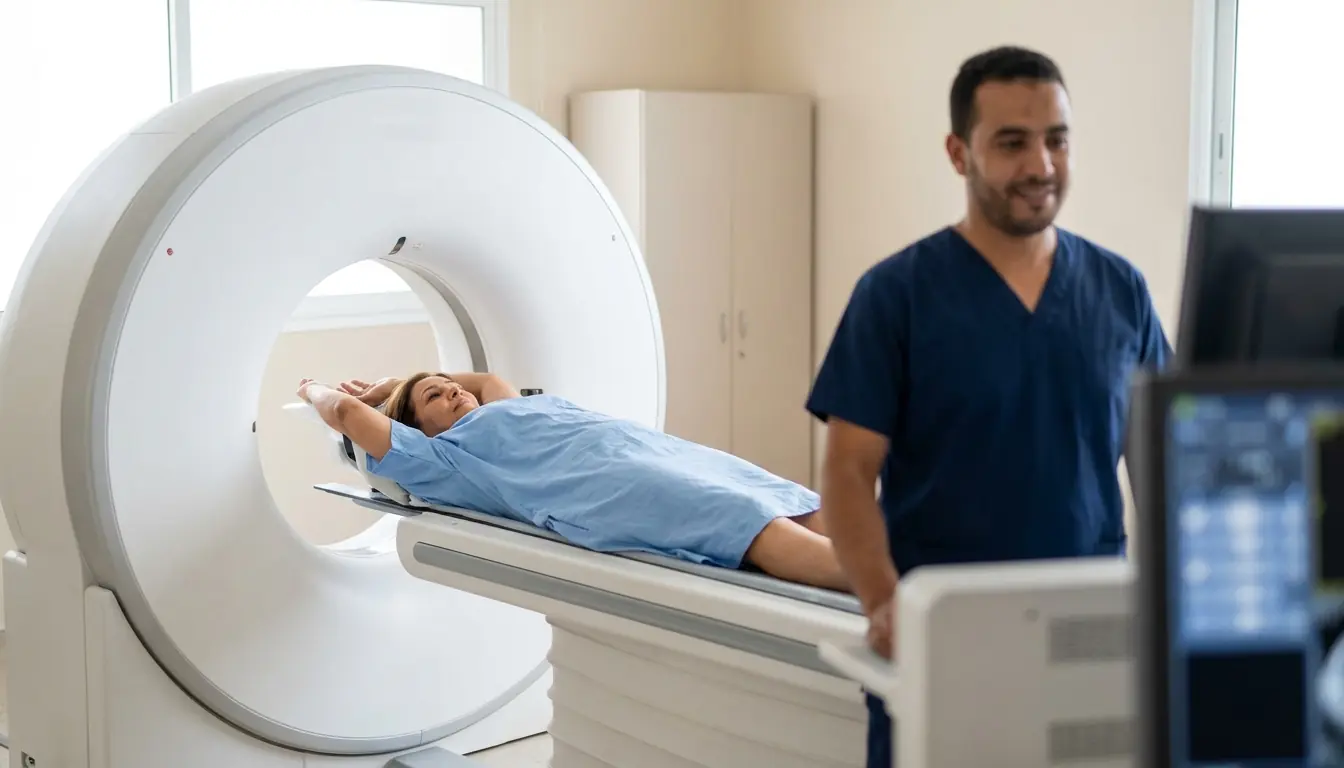
The patient is positioned on the scanner table, generally lying on their back
A scout view (localization image) is taken first
If an injection is needed, a catheter is placed in a vein of the arm
The iodinated contrast agent is injected intravenously using an automatic injector
The table moves through the scanner ring during acquisition
Several passes may be necessary (before and after injection, at different phases)
The patient must remain still and follow the breathing instructions (breath held)
The examination is painless; only a sensation of warmth is felt during the injection
Duration
10 to 20 minutes (rapid acquisition, a few seconds per pass)
Results
The images are reconstructed and then analyzed by the radiologist, who writes a detailed report. The report is issued within 24 to 72 hours, depending on the type of examination and the time required for the radiologist to process and interpret the images. In emergencies, the results are communicated immediately to the referring physician.
Risks and side effects
These risks remain rare. Your physician will inform you in detail before the examination.
Frequently asked questions
How do I book a CT scan in Tunis?
Call the radiology centre's direct line on +216 36 402 036, or request a quote online. In an emergency, the scan is done without an appointment through the emergency department, open 24/7.
How long does a CT scan take?
Between 10 and 20 minutes: the acquisition itself takes only a few seconds per pass.
How should I prepare for a CT scan?
Tell the team about any known allergy, especially to iodinated contrast agents, and about pregnancy or current treatment. If an injection is planned, the team tells you whether to fast when you book.
When are CT results available?
The radiologist's detailed report is delivered within 24 to 72 hours. In emergencies, results are sent immediately to the referring doctor.
Request a quote
Request your quote online or call us on the number below:
Request a Quote +216 36 402 036At a glance
Related searches
- CT scan Tunis
- CT scan Tunisia
- scanner Tunis