
CT angiography of the aorta, chest and abdominal vessels
Centres/Radiology/CT scan/Aorta and abdomen CT angiography

CT angiography of the aorta, chest and abdominal vessels

Aorta and abdomen CT angiography in Tunis, Tunisia · Centre Urbain Nord

Chest and abdominal CT angiography in Tunis: pulmonary embolism, aortic aneurysm or dissection, kidney arteries and liver vessels.

What is it?

CT angiography is a CT scan performed during a rapid injection of iodinated contrast, at the moment the contrast fills the blood vessels. This page covers CT angiography of the chest and abdomen. Chest CT angiography is the standard test to look for a pulmonary embolism (a clot in the lung arteries). CT angiography of the aorta and its branches looks for an aneurysm (bulge) or a dissection (tear in the wall) of the large artery leaving the heart. In the abdomen, the examination can target the kidney arteries (for example to look for a narrowing causing high blood pressure), the liver vessels (assessment before surgery or a transplant) or all the digestive vessels.

When is it indicated?

Suspected pulmonary embolism

With sudden breathlessness or chest pain, it looks for a clot in the lung arteries.

Aortic aneurysm or dissection

It measures a widening of the aorta or looks for a tear in its wall, sometimes as an emergency.

High blood pressure and kidney arteries

It looks for a narrowing of a kidney artery that could explain high blood pressure.

Assessment before liver surgery or transplant

It gives the surgeon a precise map of the liver vessels.

Preparation

1Tell us if you are pregnant or think you might be: a CT scan uses X-rays
2Remove jewellery, hair clips, glasses, removable dentures and any metal object from the area being examined
3If an injection is planned, tell us about any allergy (especially to an iodinated contrast agent), kidney disease, diabetes or myeloma; a recent blood test (creatinine) may be requested
4Tell us if you take metformin (a diabetes treatment): whether to pause it around the injection is decided by the doctor
5If an injection is planned, do not eat for a few hours beforehand, as instructed when you book; your usual medicines can generally be taken with a little water
6Bring your referral, previous imaging (CT scan, MRI, X-rays, ultrasound) and any relevant reports

Procedure

1

A drip is placed in your arm; you lie on your back with your arms raised above your head

2

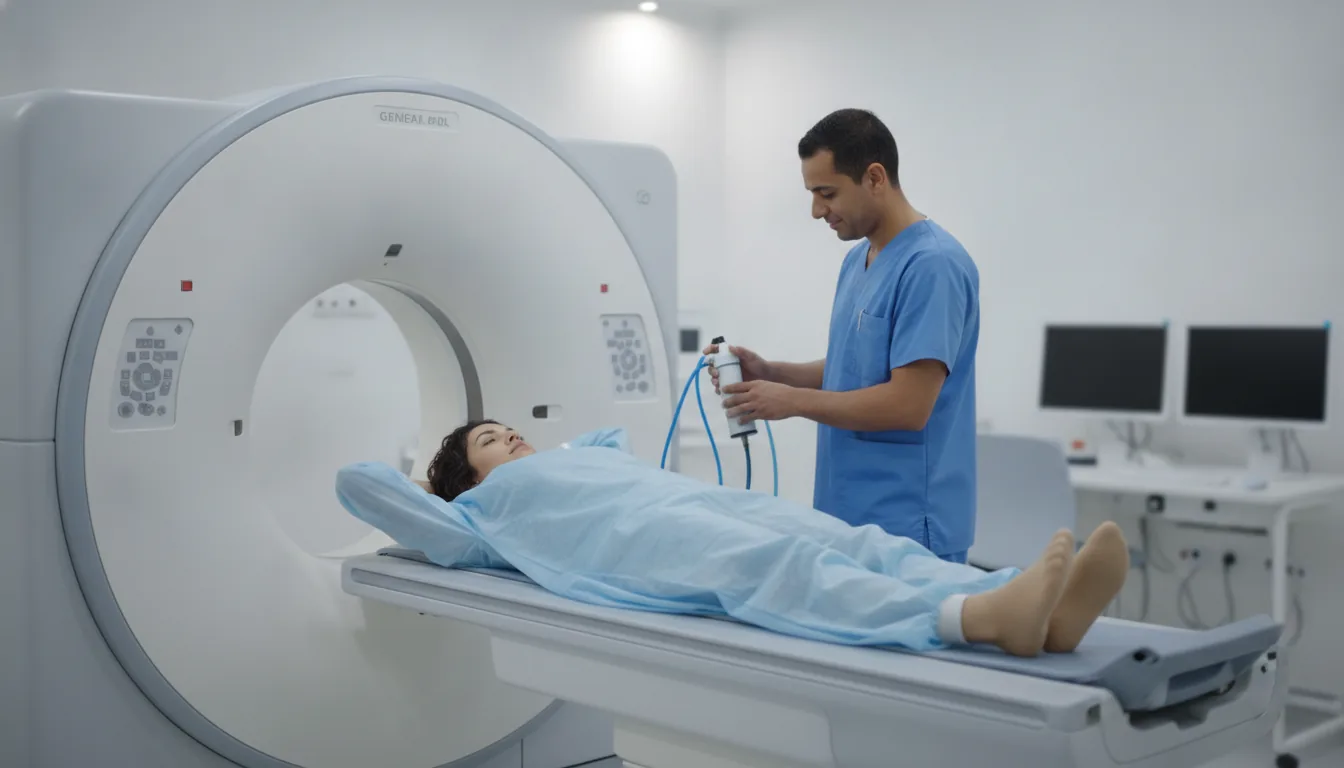
You lie on a table that slides slowly through a wide, open ring: it is not a closed tunnel

3

The contrast agent is injected quickly: the feeling of warmth, sometimes a sensation of needing to pass urine, is normal and passes within seconds

4

You are given breathing instructions (breathe in, hold your breath for a few seconds); you need to keep still during each pass

5

Depending on the area studied, several passes may be done (arteries then veins)

6

You can then return to your usual activities; after an injection, drink plenty of fluids during the day (unless your doctor advises otherwise) to help clear the contrast agent

Duration

About 10 to 20 minutes in total

Results

The images are analysed by a radiologist, who writes a report. The report is given to you with the images and sent to your doctor, who will explain the results and the next steps. You will be told when to expect it on the day of the examination.

Precautions and contraindications

A CT scan uses X-rays: the dose is set as low as possible while still giving useful images, and the examination is only done when it is justified
Pregnancy: a relative contraindication; a CT scan is only performed if it is essential, after medical advice
Allergic reaction to the iodinated contrast agent (if injected): rare and usually mild (redness, itching); serious reactions are exceptional and the team is trained to manage them
In case of kidney failure, the iodinated injection can strain the kidneys: the doctor avoids or adjusts it
Rarely, the contrast agent can leak under the skin at the drip site: temporary swelling, easily managed

Your doctor and the radiology team will inform you in detail before the examination. Feel free to ask them your questions.

This information is general and does not replace the advice of your doctor, who chooses the examination suited to your situation.

Related searches

  • Aorta and abdomen CT angiography Tunis
  • Aorta and abdomen CT angiography Tunisia
  • Aorta and abdomen CT angiography in Tunisia
Request a quoteBook an appointment