
Implantable port insertion (port-a-cath)
Surgeries/Vascular/Implantable port

Implantable port insertion (port-a-cath)

Implantable port in Tunis, Tunisia · Centre Urbain Nord

A small device placed under the skin of the chest, connected to a large vein, to receive chemotherapy and treatments without needling arm veins.

What is it?

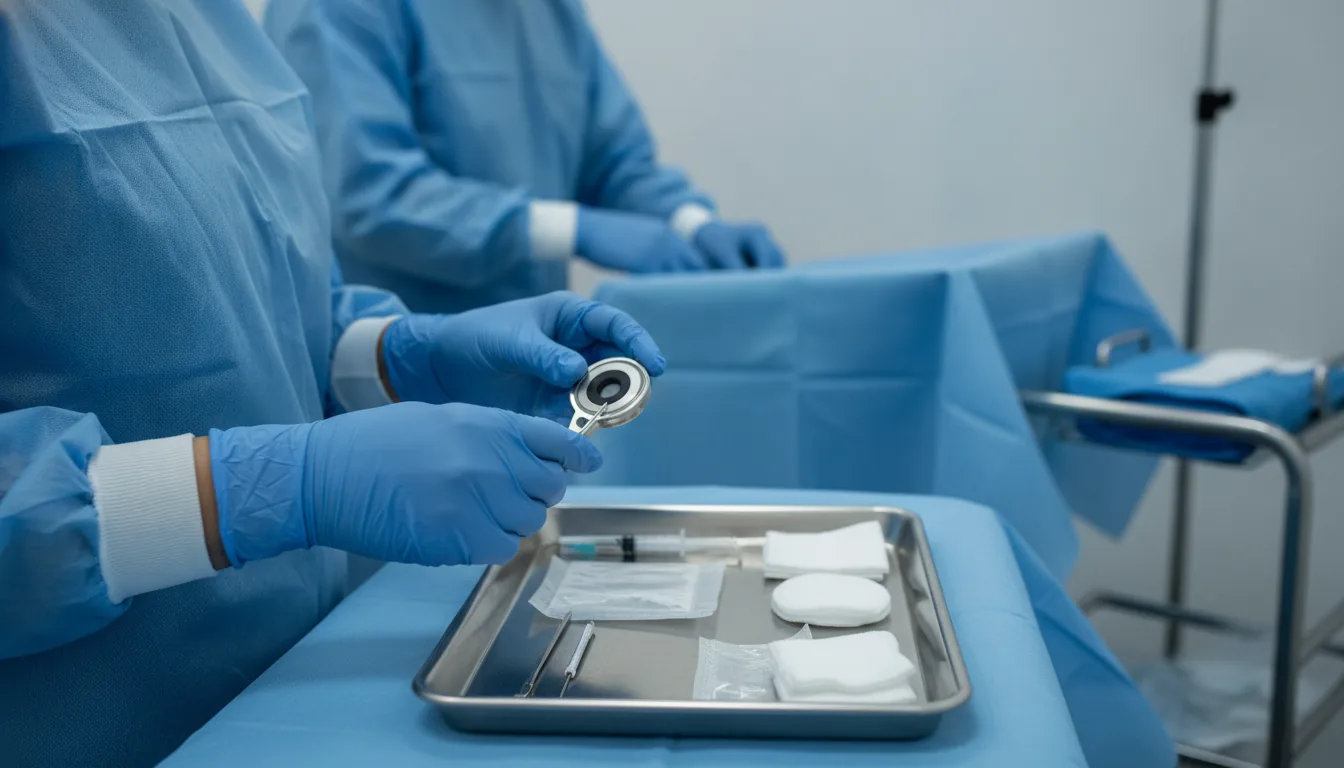
An implantable port, often called a "port-a-cath", is a small reservoir about the size of a coin with a silicone membrane, placed under the skin of the upper chest. It is connected to a thin catheter running in a large vein up to the entrance of the heart. Medicines injected into the port are diluted in a high blood flow, which protects the veins. It is inserted under local anaesthesia, sometimes with light sedation. The catheter is introduced into a vein in the neck or under the collarbone, most often under ultrasound guidance, and its position is checked by fluoroscopy. The port is placed in a small pocket under the skin, closed with a few stitches. To use it, the nurse inserts a special needle through the skin over the port, which avoids having to find a vein for each treatment. The port is mainly used for chemotherapy, but also for intravenous nutrition, long courses of antibiotics or when arm veins are difficult. It is removed simply, under local anaesthesia, when no longer needed. At Clinique Pasteur Tunis, insertion is performed as day surgery in the operating theatre, in liaison with the oncology team, so that the port is ready when treatment starts.
Implantable port insertion (port-a-cath)

When is it indicated?

Chemotherapy

Some medicines damage the small veins of the arm. The port allows them to be given safely throughout treatment.

Long-term intravenous treatment

Antibiotics over several weeks, repeated transfusions or other regular treatments are made easier.

Intravenous nutrition

When feeding by mouth or tube is not possible, the port allows nutrients to be delivered directly into the bloodstream.

Arm veins difficult to access

For patients with fragile or barely visible veins, the port avoids repeated, painful needle attempts.

Preparation

1Blood tests including clotting
2Adjustment of anticoagulant or antiplatelet treatment as instructed by the doctor
3Fasting for a few hours if sedation is planned
4Antiseptic shower the evening before or the morning of the procedure
5Telling the team whether you are right- or left-handed and whether you carry a bag strap or seat belt on the planned side

Procedure

1

Lying down, skin disinfection and sterile drapes

2

Local anaesthesia, possibly with sedation

3

Ultrasound-guided puncture of the vein and insertion of the catheter

4

Checking the catheter position by fluoroscopy

5

Creation of a small pocket under the skin and placement of the port

6

Skin closure, function test and dressing

Duration

30 to 45 minutes

Aftercare & Recovery

Patients go home the same day. The area may remain tender for a few days. The port can be used quickly, sometimes the same day, depending on the planned treatment. Between courses, it must be flushed regularly by a nurse. It is barely visible under the skin and does not prevent showering or moderate sport once the wound has healed.

Risks and side effects

Haematoma or pain at the port site, temporary
Port infection, prevented by sterile care at every use
Clot around the catheter or in the vein, treated with medication
Pneumothorax, rare thanks to ultrasound guidance
Blockage or displacement of the catheter, which may require revision

These risks remain rare. Your surgeon will inform you in detail before the procedure.

Request a Quote

Contact us to schedule a consultation or receive a personalized quote.

Request a Quote +216 36 402 000

At a glance

Duration: 30 to 45 minutes
Preparation: Required
Dedicated specialist team

Related searches

  • Implantable port Tunis
  • Implantable port Tunisia
  • Implantable port in Tunisia
Request a quote