
Adhesiolysis (adhesions and adhesive bowel obstruction)
Surgeries/General/Adhesiolysis

Adhesiolysis (adhesions and adhesive bowel obstruction)

Adhesiolysis in Tunis, Tunisia · Centre Urbain Nord

Division of adhesions and bands that block the bowel, by laparoscopy or open surgery.

What is it?

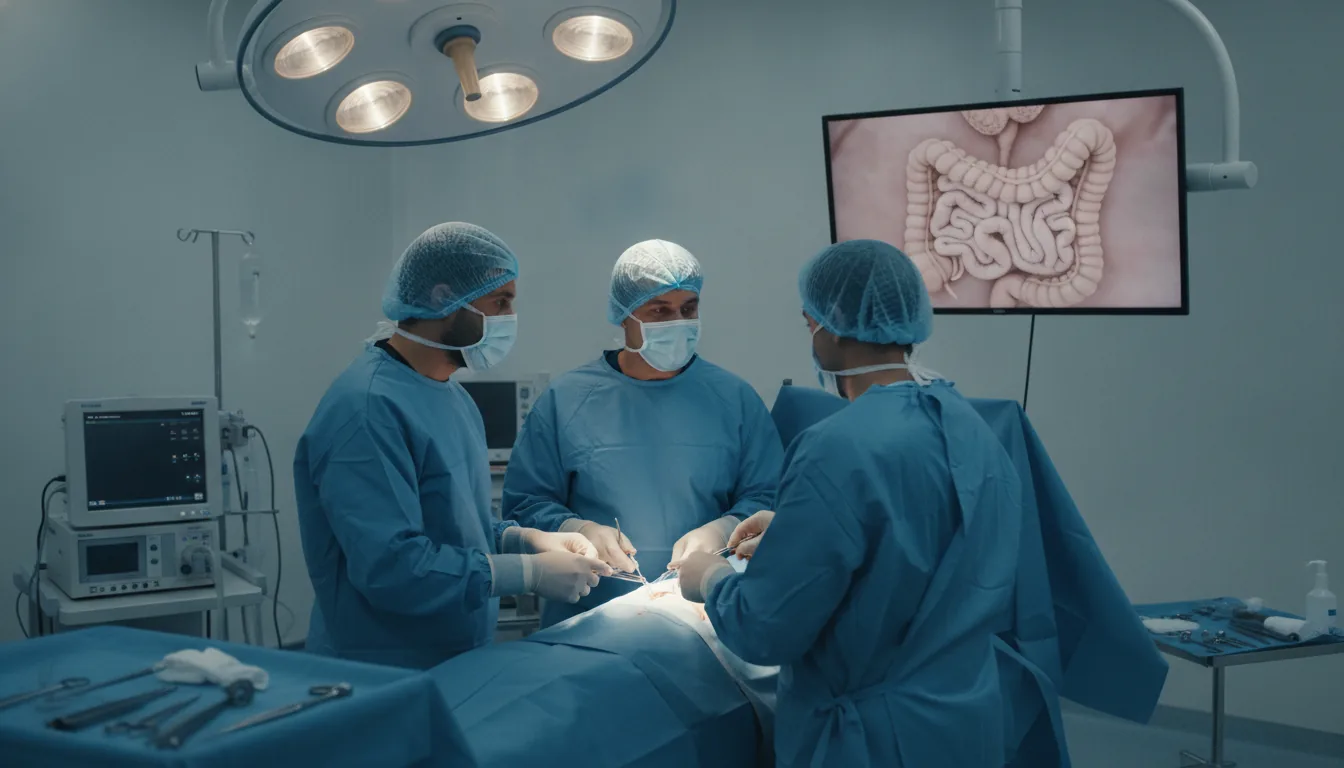
After abdominal surgery or an abdominal infection, adhesions may form: these are internal scars that stick loops of bowel to each other or to the abdominal wall. Sometimes a band (a fibrous cord) traps or kinks the bowel and blocks transit: this is adhesive small bowel obstruction, with pain, vomiting, a swollen abdomen and an inability to pass wind or stools. Adhesiolysis consists of cutting these bands and releasing the adhesions to free the bowel. It is performed laparoscopically when possible, otherwise through an incision. The surgeon then checks that the bowel is healthy; if it has been irreversibly damaged, the damaged segment is removed and the bowel rejoined. Many adhesive obstructions resolve without surgery, by resting the bowel (fasting, intravenous fluids, a stomach tube) and giving a contrast agent that helps transit to resume. Surgery is offered when the obstruction does not resolve, when there are signs that the bowel is suffering, or in case of repeated obstructions. At Clinique Pasteur Tunis, bowel obstructions are managed in the emergency department, which is open around the clock, with on-site CT scanning and an operating theatre available day and night when surgery is decided.
Adhesiolysis (adhesions and adhesive bowel obstruction)

When is it indicated?

Bowel obstruction not resolving with medical treatment

If the bowel remains blocked despite rest and intravenous fluids, the responsible band must be released.

Signs that the bowel is suffering

Intense, continuous pain, fever or CT findings suggest a strangulated loop: surgery is then urgent.

Repeated obstructions

When episodes of blockage keep recurring, a planned operation can release the adhesions responsible.

Chronic pain linked to documented adhesions

In selected cases, persistent pain attributed to adhesions can be improved by releasing them.

Preparation

1Examination in the emergency department, blood tests and abdominal CT scan
2Fasting, intravenous fluids and a stomach tube
3Correction of dehydration and salt imbalances
4Anaesthetic consultation, urgently if needed
5For a planned operation: usual tests and a 6-hour fast

Procedure

1

General anaesthesia

2

Careful laparoscopy or incision depending on history and bowel distension

3

Identification of the point of obstruction

4

Division of bands and release of adhesions

5

Checking the viability of the bowel along its whole length

6

Removal and rejoining of a damaged segment if necessary, then closure

Duration

1 to 3 hours

Aftercare & Recovery

Eating resumes as soon as bowel function returns. The hospital stay usually lasts 3 to 7 days, longer if a resection was needed. Usual activities resume within two to four weeks. New adhesions may form over time: any new episode of pain with vomiting should prompt a medical visit.

Risks and side effects

Slow return of bowel function for a few days
Injury to the bowel while releasing adhesions, recognised and repaired
Wound infection or abdominal collection
New adhesions and a further episode of obstruction later on

These risks remain rare. Your surgeon will inform you in detail before the procedure.

Request a Quote

Contact us to schedule a consultation or receive a personalized quote.

Request a Quote +216 36 402 000

At a glance

Duration: 1 to 3 hours
Preparation: Required
Dedicated specialist team

Related searches

  • Adhesiolysis Tunis
  • Adhesiolysis Tunisia
  • Adhesiolysis in Tunisia
Request a quote