
What are buttock implants?
Buttock augmentation with implants involves placing a soft silicone implant, specially designed for this area, in each buttock. The aim is to add volume and improve the curve of the buttocks while staying in harmony with your figure.
There is another way to enlarge the buttocks: fat grafting, often called a BBL, which uses your own fat. The two techniques are not suited to the same people, and the choice is made in consultation with a plastic surgeon.
This article follows the journey in order: who it is for, the choice of implant, preparation, the procedure and recovery. The site's "Buttock augmentation with implants" page, suggested at the bottom of this article, gives the essentials. The information here is general: only your surgeon can adapt it to your situation.
Who is it for: implants or BBL?
It all depends on how much fat is available. A BBL requires enough fat to be harvested by liposuction from other areas of the body. In a slim person, these reserves are sometimes insufficient: an implant is then often the only way to increase volume.
Buttock implants are most often discussed in the following situations:
- small buttocks in a slim person;
- a lack of projection or curve in the buttock area;
- a marked difference in volume between the two buttocks, corrected with implants of suitable sizes;
- buttocks that have flattened after weight loss or muscle wasting.
Choosing the implant and where it is placed
The size and shape of the implant are chosen in consultation, after an examination and measurements, according to your body shape and the elasticity of your tissues. The aim is a natural result, without seeking excessive volume that the tissues could not support well.
The implant is inserted through a hidden incision, either in the fold between the buttocks or in the fold beneath the buttock. It is most often placed within or beneath the gluteus maximus muscle: the muscle protects it and makes its outline less visible.
It is important to know from the outset that implants do not last forever: they may need to be replaced one day, and long-term monitoring is recommended. These points are explained clearly in consultation, with time to think before any decision.
During the consultation, feel free to ask all your questions: where the implant and scar will be, what the first weeks will be like, what would happen in the event of a complication, and how long-term follow-up works. You can also come back for a second consultation before deciding: taking your time is part of making a good decision.
Preparation: consultations and instructions
Stopping smoking is recommended several weeks before the procedure, as smoking slows healing. Also plan the first few weeks: sitting will be restricted, which matters for work, car journeys or a return flight.
Preparation usually includes the following steps, specified by the team according to your situation:
- a consultation with examination, measurements and choice of implant;
- time to think before confirming the procedure;
- an anaesthesia consultation and blood tests;
- an antiseptic shower the evening before and the morning of the procedure;
- buying the prescribed compression garment, to bring with you on the day of the procedure.
The day of the procedure, step by step
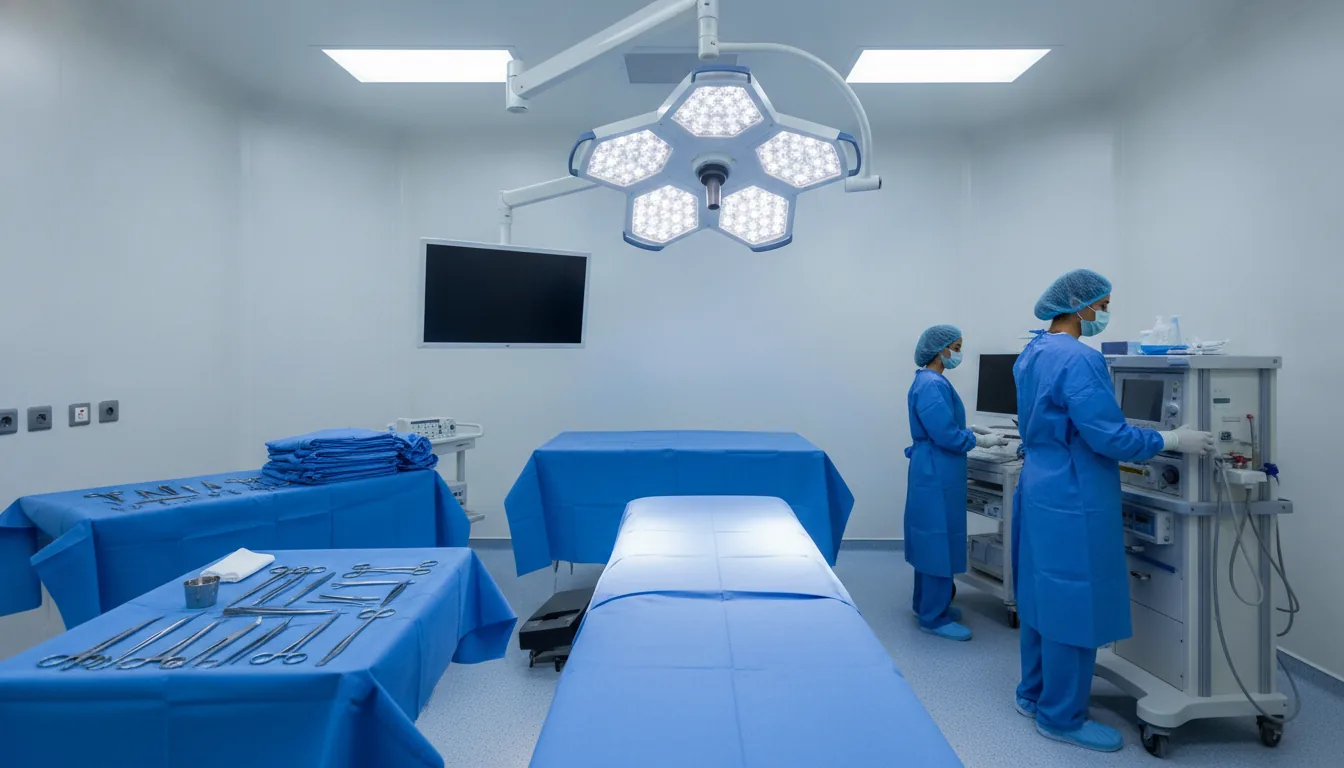
The procedure is performed under general anaesthesia in the operating theatre and usually takes about one and a half to two and a half hours. You lie face down. Here are the main steps:
- a discreet incision in the fold between the buttocks or beneath the buttock;
- creation of a pocket within or beneath the gluteus maximus muscle;
- placement of the implant under strict aseptic conditions;
- closure in several layers, sometimes with a drain;
- fitting of the compression garment.
Recovery: sitting, compression and getting back to normal
The hospital stay is usually one to two nights. Pain is real during the first few days: it is relieved by appropriate treatment, and the team explains how to care for the scar.
Recovery is longer and more uncomfortable than after a BBL. Prolonged sitting is not advised for two to three weeks, and some movements are restricted for a few weeks. Sport is resumed after about two months, as advised by the surgeon. The compression garment is worn according to the surgeon's instructions.
The result can be assessed gradually, after three to six months, once the tissues have softened around the implant. Follow-up then continues with regular check-ups.
Possible risks, travelling from abroad and warning signs
Like any surgery, buttock implants carry risks, which are explained in consultation: pain and discomfort when sitting for a few weeks; infection or wound breakdown, closely monitored; haematoma or fluid collection around the implant; implant displacement or capsular contracture, which may require another operation; temporary reduced sensation in the skin of the buttocks.
If you are coming from abroad, you can describe your situation in the quote request form: your file is reviewed by the relevant specialist, then the team helps you plan the consultation and the procedure. Communication is in French, English or Arabic. Plan to stay long enough for the first check-ups, and arrange a return journey that is compatible with restricted sitting.
After the procedure, some signs should prompt you to contact your surgeon quickly, without waiting for your next appointment:
- fever, or unusual or increasing pain;
- significant or rapid swelling of one buttock;
- bleeding, discharge, redness or opening of the scar;
- pain or swelling in the calf, or shortness of breath: in this case, call without delay.
Frequently asked questions
Buttock implants or BBL: how to choose?
The choice depends mainly on the fat available. A BBL uses your own fat, harvested by liposuction, so sufficient reserves are needed. In a slim person, an implant is often the option discussed. The plastic surgeon examines your figure and assesses the suitable option with you.
Where is the scar?
The incision is hidden, either in the fold between the buttocks or in the fold beneath the buttock. The location is chosen by the surgeon and explained in consultation.
When can I sit normally again?
Prolonged sitting is not advised for two to three weeks after the procedure. Precise instructions, especially for work and travel, are given by your surgeon according to how you are recovering.
Are buttock implants permanent?
No, implants do not last forever: they may need to be replaced one day. Long-term monitoring is recommended. This is explained in consultation before any decision.
How long is the hospital stay?
The hospital stay is usually one to two nights. Follow-up then continues with regular check-ups, and sport is resumed after about two months, as advised by the surgeon.
This article is for general information only. It does not replace the advice of your doctor, who alone can adapt instructions to your situation.
Learn more
A question? A quote?
Our team answers your questions and supports you throughout your care journey.