
Hip and femoral fractures
Surgeries/Orthopedic/Femoral fracture

Hip and femoral fractures

Femoral fracture in Tunis, Tunisia · Centre Urbain Nord

Surgical treatment of fractures of the femur, particularly the femoral neck (hip fracture), by internal fixation or joint replacement.

What is it?

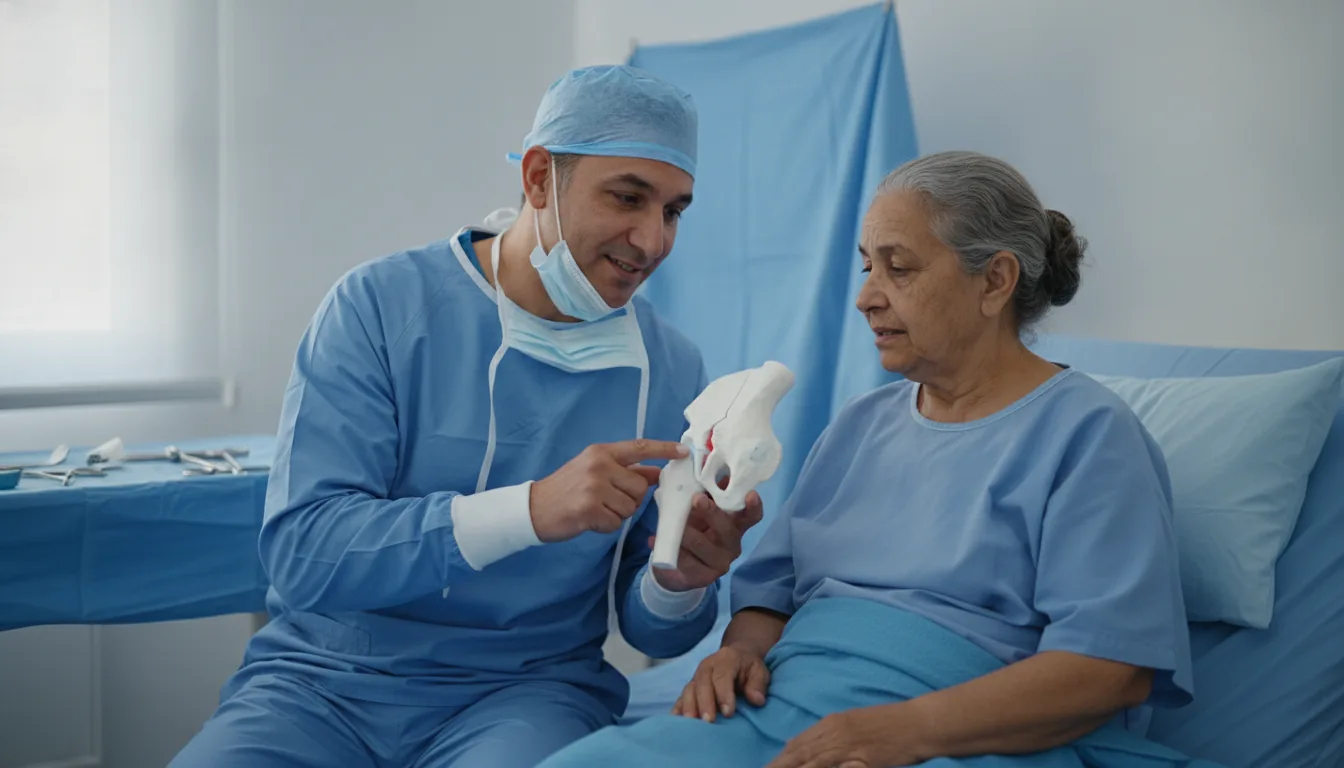
The femur is the thigh bone. Its upper part, the femoral neck, connects it to the hip joint. In older people a simple fall is often enough to break it, because the bone is weakened by osteoporosis. In younger adults, femoral fractures usually follow road accidents or falls from a height. Treatment is almost always surgical. There are two main options. Internal fixation (osteosynthesis) holds the broken bone together with screws, a plate or a nail placed inside the femur, keeping the patient's own joint. Joint replacement replaces the head of the femur (partial hip replacement, or hemiarthroplasty) or the whole hip (total hip replacement) when the fracture is unlikely to heal well or the hip was already worn. The choice depends on the type of fracture, how displaced it is, and the patient's age and independence. In older people, surgery is carried out as soon as possible, ideally within 24 to 48 hours, because staying in bed exposes them to many complications. At Clinique Pasteur Tunis, patients are received in the emergency department and then cared for by the orthopaedic and anaesthetic teams. Getting out of bed early and rehabilitation are organised from the first days, together with the family.
Hip and femoral fractures

When is it indicated?

Hip (femoral neck) fracture after a fall

Severe hip pain, inability to get up or walk, and a leg that may look shorter or turned outwards.

Fracture of the upper femur

A fracture just below the neck (trochanteric fracture), usually fixed with a nail or a screw and plate.

Fracture of the shaft of the femur

A thigh fracture, often after a violent injury, generally treated with a nail placed inside the bone.

Displaced fracture in an older person

When the bone is unlikely to heal well, a hip replacement allows the patient to walk again sooner.

Hip already affected by arthritis

If the hip was already worn before the fall, a total hip replacement can solve both problems at once.

Preparation

1X-rays and sometimes a CT scan of the hip
2Blood tests and a heart check depending on age
3Anaesthetic assessment, often done as an emergency
4Adjustment of current medication, especially blood thinners
5Pain relief from arrival and prevention of pressure sores

Procedure

1

General or spinal anaesthesia

2

Positioning on a table that allows the fracture to be realigned

3

Fixation of the bone with screws, a plate or a nail (osteosynthesis)

4

Or insertion of a partial or total hip replacement

5

X-ray check during the operation

6

Monitoring in the recovery room, then return to the ward

Duration

About 1 to 2 hours

Aftercare & Recovery

The hospital stay is generally a few days to a week. Sitting in a chair and then walking with a frame start as soon as possible, often the day after surgery. Rehabilitation continues for several weeks, sometimes in a specialised centre. Regaining previous independence takes time, especially in older people. An osteoporosis assessment is often advised to prevent another fracture.

Risks and side effects

Blood clots in the legs or lungs, prevented with anticoagulant treatment
Temporary confusion in older people after surgery
Delayed healing or secondary displacement of the fracture
Dislocation of the hip replacement or infection, which are rare
Loss of independence, limited by early mobilisation and rehabilitation

These risks remain rare. Your surgeon will inform you in detail before the procedure.

Request a Quote

Contact us to schedule a consultation or receive a personalized quote.

Request a Quote +216 36 402 000

At a glance

Duration: About 1 to 2 hours
Preparation: Required
Dedicated specialist team

Related searches

  • Femoral fracture Tunis
  • Femoral fracture Tunisia
  • Femoral fracture in Tunisia
Request a quote