
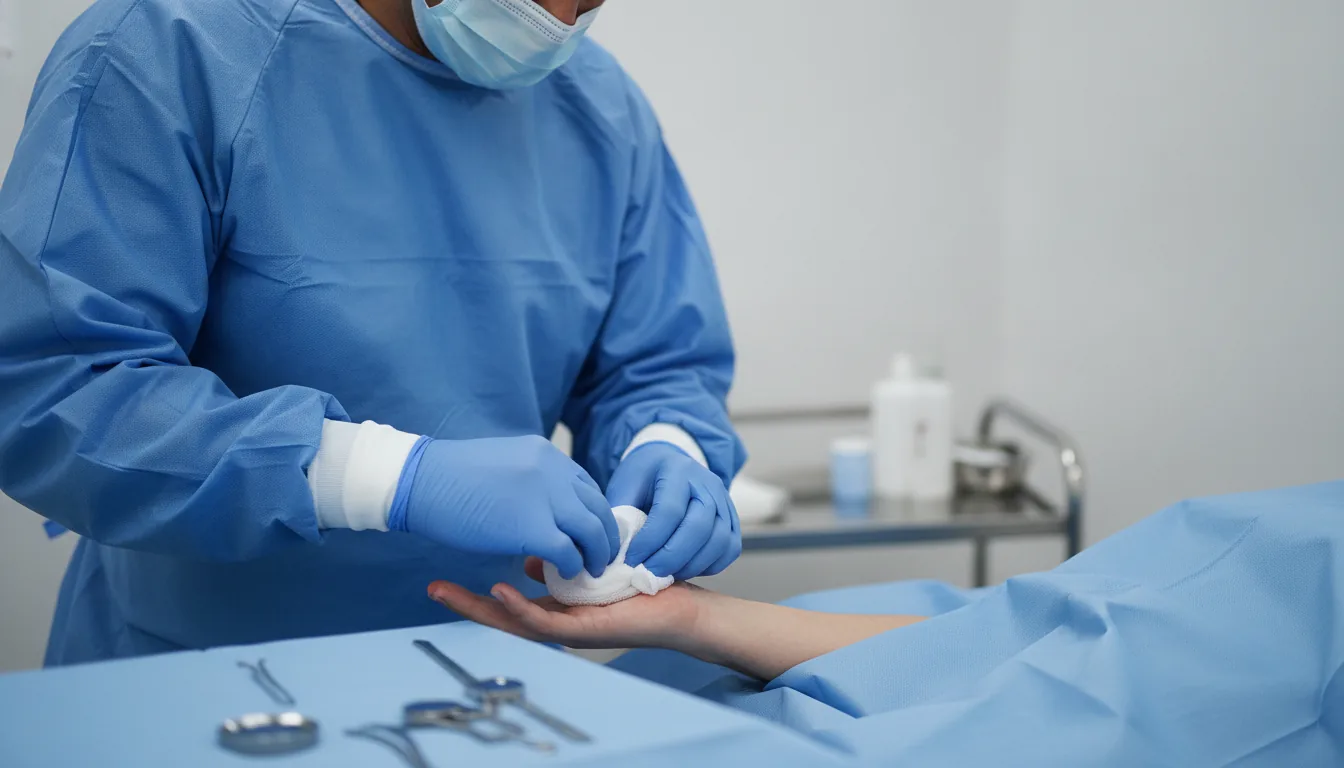
Repair of complex wounds
Complex wounds in Tunis, Tunisia · Centre Urbain Nord
Surgical management of extensive or badly torn wounds, or wounds affecting the face and hand, for good-quality healing.
What is it?
When is it indicated?
When the edges of the wound cannot be brought together, a plastic surgery procedure is needed to cover it.
A wound to the lips, eyelids or nose requires precise repair to preserve function and appearance.
Even when small, a hand wound can affect a tendon or a nerve; exploration in theatre makes it possible to check.
These wounds carry a risk of infection and require careful surgical cleaning before any closure.
Preparation
Procedure
Local, regional or general anaesthesia depending on the wound
Exploration of the deep structures (tendons, nerves, blood vessels)
Thorough cleaning and removal of non-viable tissue
Repair of the injured structures if necessary
Closure layer by layer, with a flap or graft if skin is missing
Dressing and, if needed, a protective splint
Duration
30 minutes to 2 hours depending on the wound
Aftercare & Recovery
Depending on the wound, the patient goes home the same day or after a short hospital stay. Regular dressings are arranged. Stitches are removed after one to two weeks. Rehabilitation may be needed for the hand. The scar continues to change over several months and can be improved later if needed.
Risks and side effects
These risks remain rare. Your surgeon will inform you in detail before the procedure.
Coming from abroad?
The clinic supports international patients: personalised quote, stay planning, help with accommodation and transfers, communication in French, English and Arabic.
Request a Quote
Contact us to schedule a consultation or receive a personalized quote.
Request a Quote +216 36 402 000At a glance
Read also
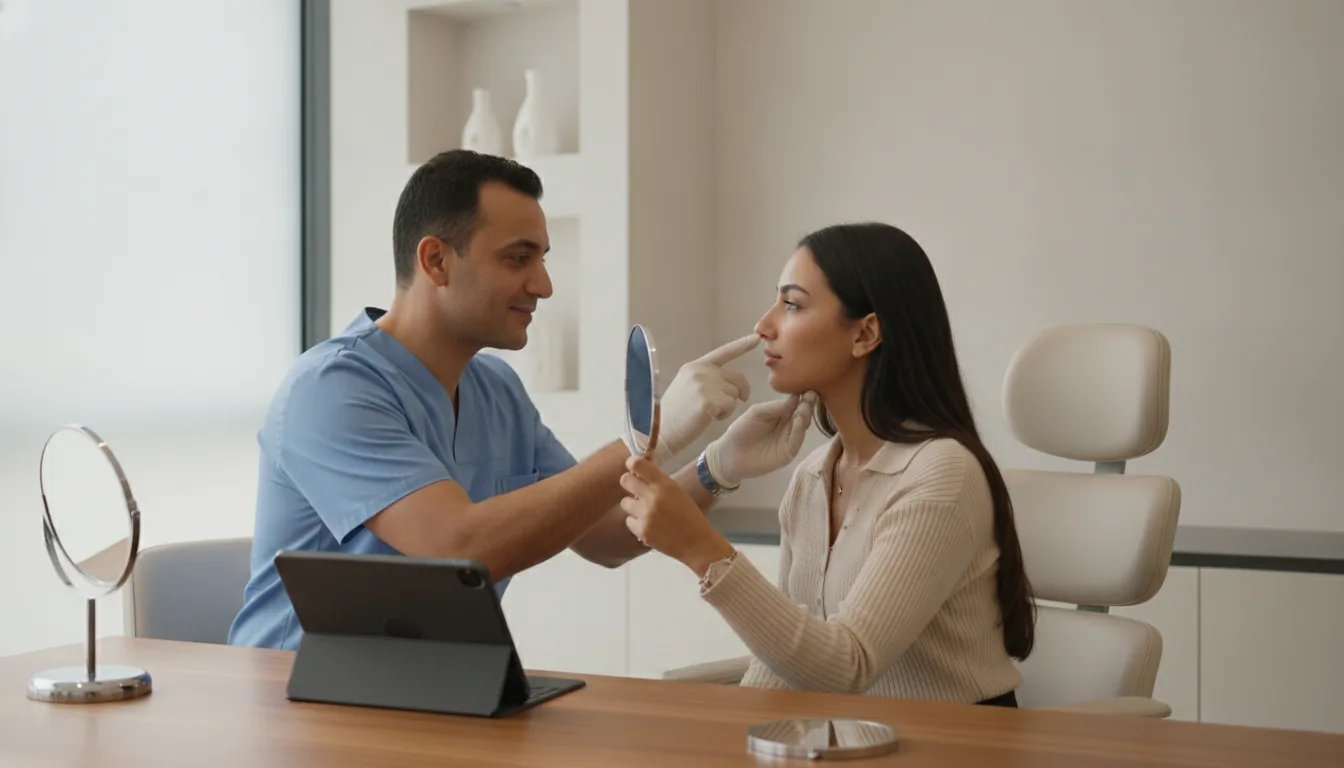
Cosmetic Surgery in Tunisia: Planning Your Project
Cosmetic surgery is prepared well before the day of the procedure. Here are the steps of a calmly planned project in Tunis, from the first consultation to follow-up after you return home.
Read the article
Otoplasty in Tunisia: Prominent Ears, Procedure and Recovery
Otoplasty corrects prominent ears in children and adults alike. Here is how this ear surgery is prepared and performed, and what recovery looks like.
Read the articleRelated searches
- Complex wounds Tunis
- Complex wounds Tunisia
- Complex wounds in Tunisia