
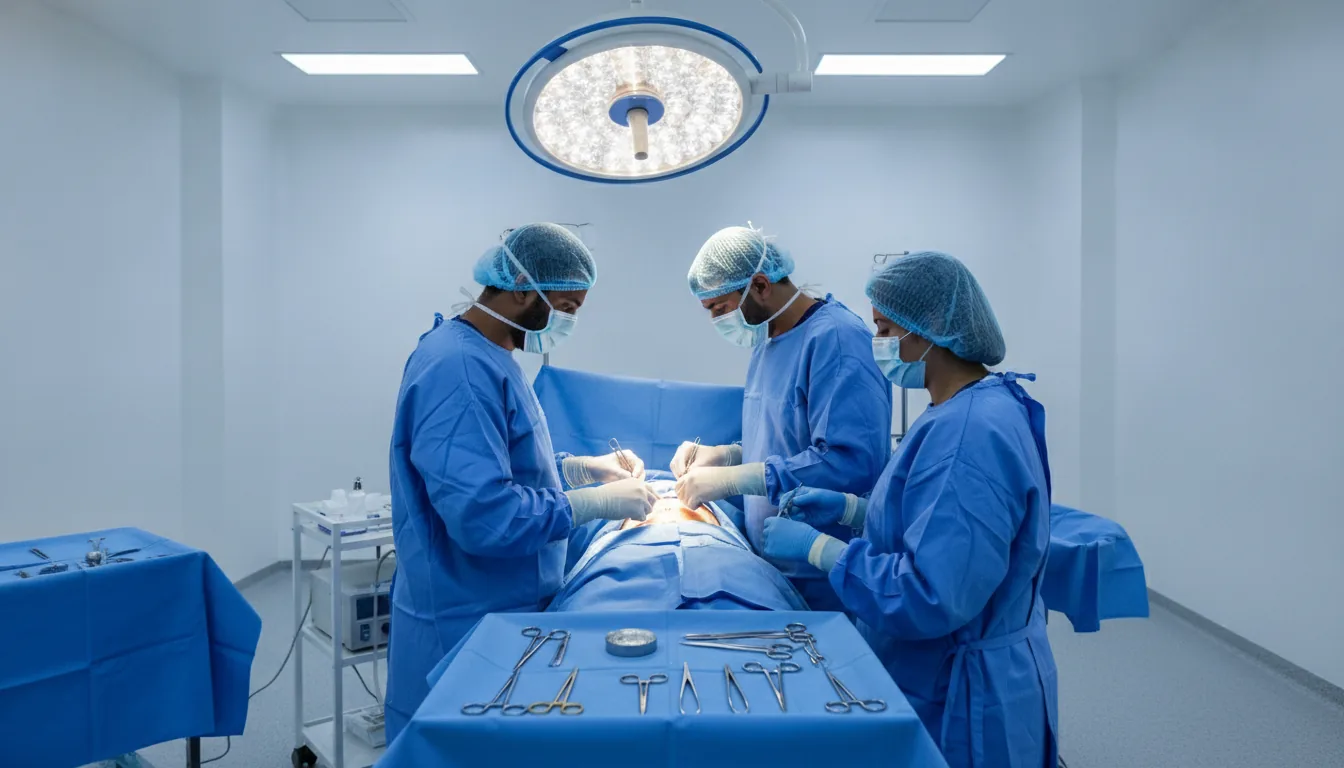
Two procedures, two different problems
Liposuction and abdominoplasty (tummy tuck) are two body-contouring procedures in cosmetic surgery, often mentioned together when you want a flatter stomach. Yet they do not address the same problem.
Liposuction removes localised fat deposits that resist dieting and physical activity. It works on fat, not on skin. Abdominoplasty removes the excess skin and fat below the navel and tightens the abdominal muscle wall.
In other words, the right procedure depends on what really bothers you: excess fat, loose skin, slack muscles, or several of these at once. This is exactly what the plastic surgeon assesses during the consultation.
Liposuction: for localised fat
Liposuction is intended for people whose weight is stable but who keep localised curves: abdomen, hips ("love handles"), saddlebags, thighs, knees, arms or double chin. It is not a treatment for excess weight, but surgery that reshapes the body's contours.
The procedure uses fine cannulas inserted through tiny incisions hidden in natural skin folds. It usually lasts 1 to 2 hours depending on the areas treated, under general or regional anaesthesia depending on the extent. Depending on the case, it is done as day surgery or with a short hospital stay.
For the skin to retract evenly after the fat is removed, it needs to keep some elasticity. The fat cells removed do not grow back: the result is long-lasting provided you maintain a balanced lifestyle and a stable weight.
Abdominoplasty: for loose skin and slack muscles
After pregnancies or significant weight loss, the skin of the abdomen may remain stretched, sometimes with stretch marks, and the rectus abdominis muscles may have separated (this is called diastasis). In these situations, removing fat is not enough: the excess skin would remain.
Abdominoplasty removes excess skin and fat below the navel, brings together and tightens the muscle wall, then repositions the navel naturally. The scar is placed very low on the abdomen so that it stays hidden under underwear and swimwear.
The procedure is performed under general anaesthesia and usually lasts 2 to 3 hours. It requires a hospital stay, with careful pain management. It can also relieve an abdominal apron that interferes with dressing, hygiene or walking.
What guides the choice at your consultation
There is no rule that suits everyone: the choice is based on the plastic surgeon's examination of your abdomen. During the consultation, the surgeon looks in particular at:
- the quality and elasticity of the skin: firm skin retracts after liposuction, while loose skin rather calls for skin removal;
- the condition of the muscle wall: slackness or diastasis is corrected by abdominoplasty, not by liposuction;
- how fat is distributed: on the abdomen alone, or also on the flanks, hips or thighs;
- your history: past or planned pregnancies, weight loss, weight stability;
- your general health and your expectations, to make sure they are realistic.
Combining both: a common option
The two procedures are not always alternatives. Liposuction of the flanks is frequently combined with abdominoplasty to refine the waist and achieve a smoother overall result. Several areas can also be treated by liposuction during the same operation.
When excess skin affects areas other than the abdomen, after major weight loss or bariatric surgery, the surgeon may suggest body contouring, which reshapes several areas of the body.
The decision to combine procedures rests with the surgeon and the anaesthetist, based on your health and the safety of the whole. Do not hesitate to ask them what each option means for your recovery.
Preparation and recovery: what to expect
In both cases, preparation starts with a consultation with the plastic surgeon, followed by an anaesthesia consultation. Your team gives you personalised instructions. These generally include:
- a stable weight before the procedure;
- stopping smoking, strongly recommended as it hinders healing;
- the fasting required before surgery, following the anaesthesia team's instructions;
- telling the team about all your medications: only the doctor can say whether one should be adjusted;
- buying the prescribed compression garment or abdominal binder, worn for a few weeks after surgery.
Getting through the first weeks
After liposuction, bruising and swelling of the treated areas are usual; they fade gradually. After abdominoplasty, a feeling of tightness in the abdomen is common at first, and getting up early, encouraged by the team, helps prevent phlebitis.
Activities resume gradually, following the surgeon's advice. In both cases, the figure becomes more refined as the swelling subsides, and the result can be assessed after a few months. Fever, unusual pain, bleeding or significant swelling should prompt you to contact your surgeon quickly.
To prepare your project, including if you are travelling from abroad, you can describe your situation in the quote request form: your file is reviewed by the relevant specialist.
Frequently asked questions
Can liposuction replace a tummy tuck?
No, not when the skin of the abdomen is stretched or the muscles are slack. Liposuction removes localised fat but does not treat excess skin or diastasis. If the skin is still elastic and the concern is mainly fat, it may be enough: the surgeon assesses this at the consultation.
Do I need to lose weight before surgery?
A stable weight is required before both procedures. Neither is a treatment for excess weight: they are body-contouring surgeries. If you are still losing weight, the surgeon will advise you to wait until your weight is stable.
Can I have a tummy tuck after pregnancies?
Yes, this is one of the most common situations, especially when the skin remains stretched and the muscles have separated. If you are planning another pregnancy, tell the surgeon: it may affect the most suitable timing for the procedure.
What scar does each procedure leave?
Liposuction is done through tiny incisions hidden in natural skin folds. Abdominoplasty leaves a scar placed very low on the abdomen, designed to stay hidden under underwear and swimwear; it fades over time.
How long should I wear the compression garment?
The compression garment after liposuction, like the binder after abdominoplasty, is generally worn for a few weeks. It helps the skin retract evenly and improves comfort. The exact duration is set by your surgeon.
This article is for general information only. It does not replace the advice of your doctor, who alone can adapt instructions to your situation.
Learn more
A question? A quote?
Our team answers your questions and supports you throughout your care journey.