
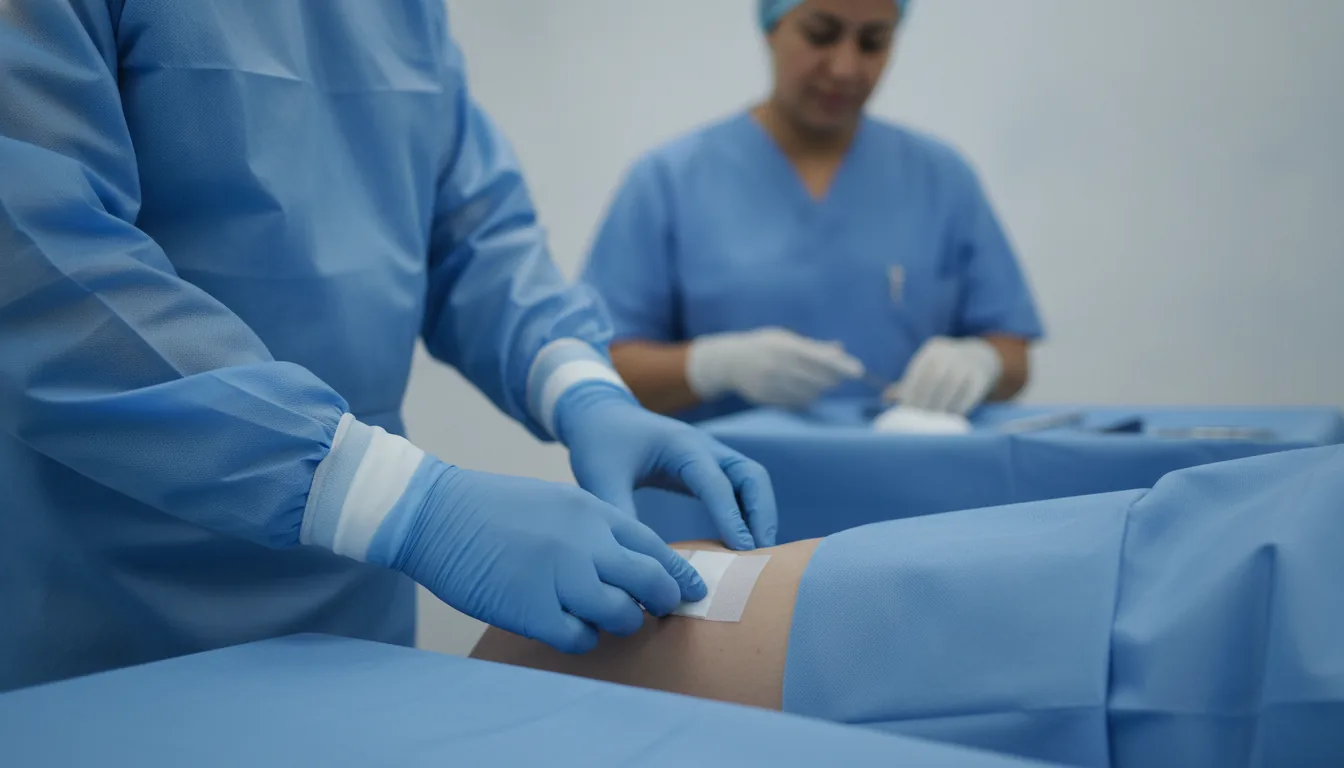
Skin graft
Skin graft in Tunis, Tunisia · Centre Urbain Nord
Taking skin from a healthy area to cover skin loss caused by a wound, a burn or an excision.
What is it?
When is it indicated?
A burn that destroys the full thickness of the skin cannot heal properly on its own; the graft covers it.
When part of the skin has been torn away, a graft allows the wound to close more quickly.
If the area removed is too large for a suture, a graft covers the defect.
A wound that has not healed for a long time can be grafted once it is clean and has a good blood supply.
Preparation
Procedure
Local, regional or general anaesthesia depending on the extent
Preparation of the recipient site
Harvesting of skin from the donor site
Placement of the graft and fixation with stitches, staples or glue
Pressure dressing to keep the graft still
Dressing of the donor site
Duration
30 minutes to 2 hours depending on the surface area
Aftercare & Recovery
The first dressing is usually changed around the fifth day to check that the graft has taken. Depending on the area, immobilisation is required for a few days. The donor site heals in two to three weeks. The graft should be moisturised, massaged and protected from the sun for at least a year.
Risks and side effects
These risks remain rare. Your surgeon will inform you in detail before the procedure.
Coming from abroad?
The clinic supports international patients: personalised quote, stay planning, help with accommodation and transfers, communication in French, English and Arabic.
Request a Quote
Contact us to schedule a consultation or receive a personalized quote.
Request a Quote +216 36 402 000At a glance
Read also
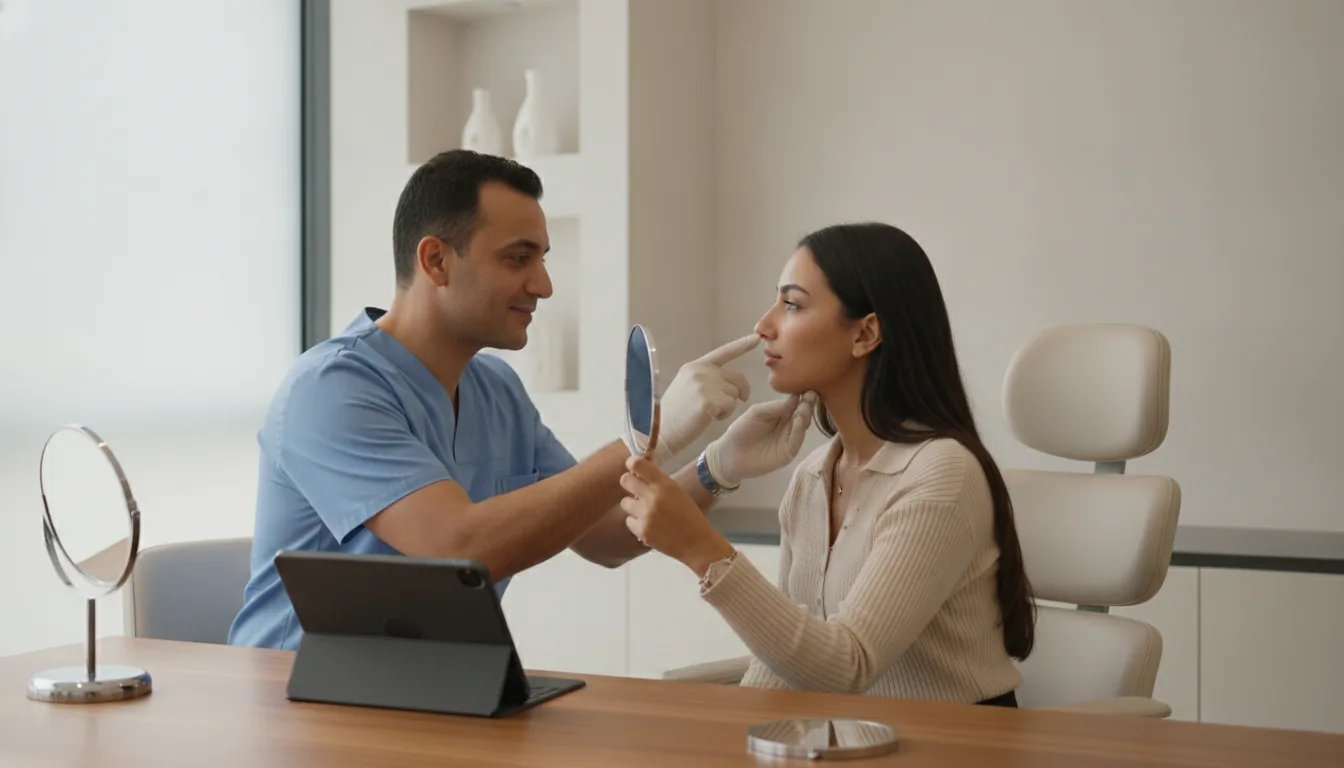
Cosmetic Surgery in Tunisia: Planning Your Project
Cosmetic surgery is prepared well before the day of the procedure. Here are the steps of a calmly planned project in Tunis, from the first consultation to follow-up after you return home.
Read the article
Otoplasty in Tunisia: Prominent Ears, Procedure and Recovery
Otoplasty corrects prominent ears in children and adults alike. Here is how this ear surgery is prepared and performed, and what recovery looks like.
Read the articleRelated searches
- Skin graft Tunis
- Skin graft Tunisia
- Skin graft in Tunisia