
Turbinoplasty (reduction of the nasal turbinates)
Surgeries/ENT/Turbinoplasty

Turbinoplasty (reduction of the nasal turbinates)

Turbinoplasty in Tunis, Tunisia · Centre Urbain Nord

Reduction in the size of the nasal turbinates to treat chronic nasal obstruction that does not respond to medical treatment.

What is it?

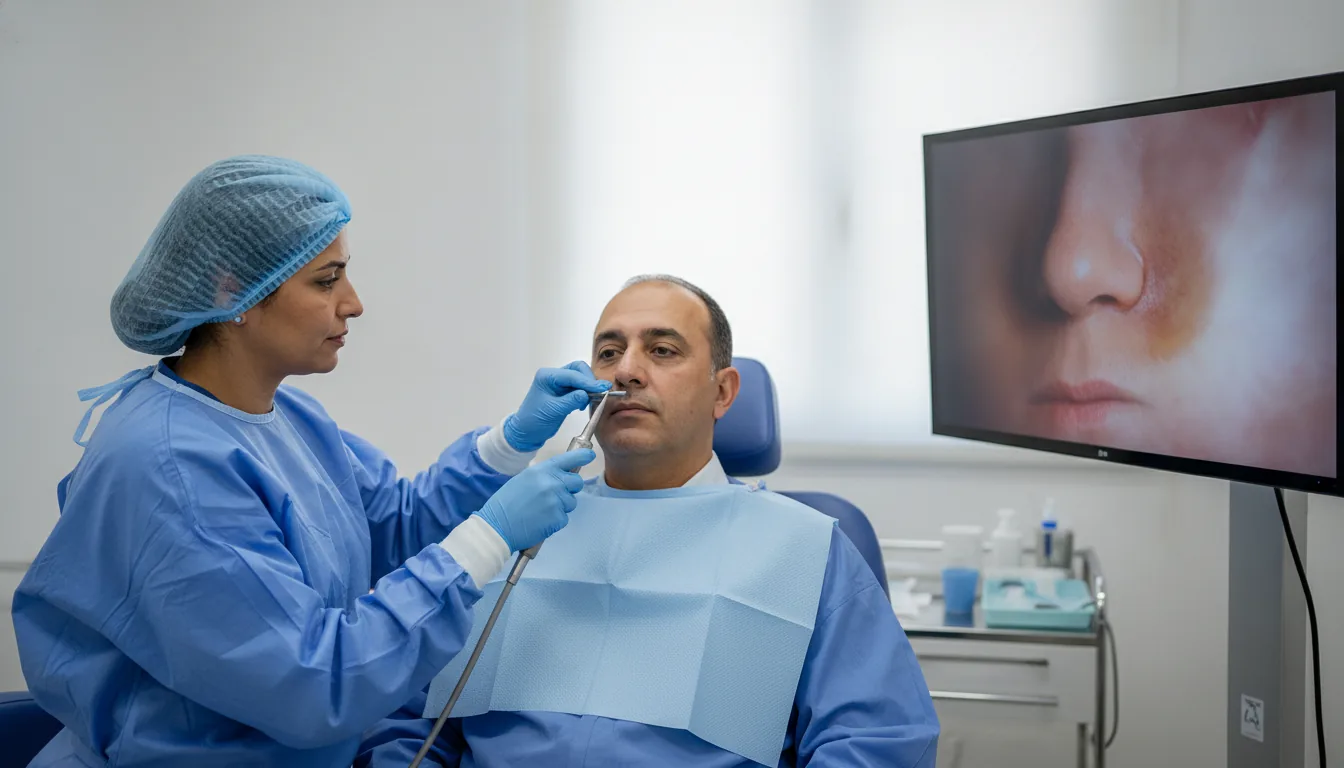
The turbinates are natural ridges on the side walls of the nasal cavity. They warm and humidify the air we breathe. When they become too large, often because of allergic or chronic rhinitis, they block the nose permanently. Turbinoplasty reduces their size while preserving their function. Several techniques exist, all performed through the nostrils with no visible scar: radiofrequency reduction, reduction of the lining or bone of the turbinate using fine instruments under endoscopic control, or moving the turbinate outwards against the wall. The surgeon chooses the technique based on the examination and the CT scan. It is offered when the nose stays blocked despite sprays, saline rinses and allergy treatment. It is often combined with a septoplasty when the nasal septum is also deviated. At Clinique Pasteur Tunis, turbinoplasty is performed by ENT surgeons in the operating theatre, with nasal endoscopy equipment, usually as a day case or with a single night's stay.
Turbinoplasty (reduction of the nasal turbinates)

When is it indicated?

Permanently blocked nose despite treatment

When sprays and rinses no longer clear the nose, reducing the turbinates makes more room for air to pass.

Allergic or chronic rhinitis with enlarged turbinates

Repeated inflammation makes the turbinates swell; reducing them relieves the obstruction, even though the allergy still needs treatment.

Dependence on decongestant nasal drops

Prolonged use of nasal drops can keep the turbinates swollen; surgery helps break this cycle.

Snoring related to nasal obstruction

A clearer nose makes breathing easier during sleep and can reduce snoring.

In addition to a septoplasty

When the septum is deviated and the turbinates are enlarged, both procedures are often done together for a better result.

Preparation

1ENT consultation with endoscopic examination of the nose
2CT scan of the nasal cavity and sinuses if requested
3Anaesthesia consultation
4Fasting for 6 hours before the operation
5Stopping aspirin and anti-inflammatory drugs as instructed by the doctor

Procedure

1

General anaesthesia, sometimes local anaesthesia for radiofrequency alone

2

Endoscopic examination of the nasal cavity

3

Reduction of the turbinates through the nostrils, with no external incision

4

Control of bleeding

5

Possible placement of small nasal packs or splints

6

Monitoring in the recovery room, then back to the ward

Duration

About 20 to 45 minutes

Aftercare & Recovery

Discharge takes place the same day or the next day. The nose remains blocked and may bleed a little for 1 to 2 weeks while the lining heals; crusts form and clear with nasal rinses. The breathing benefit can be judged after a few weeks. Return to work is usually possible after one week.

Risks and side effects

Nosebleed, usually mild
Temporary crusting and nasal dryness
Gradual return of obstruction in the long term, especially if an allergy is left untreated
Local infection, rare

These risks remain rare. Your surgeon will inform you in detail before the procedure.

Request a Quote

Contact us to schedule a consultation or receive a personalized quote.

Request a Quote +216 36 402 000

At a glance

Duration: About 20 to 45 minutes
Preparation: Required
Dedicated specialist team

Related searches

  • Turbinoplasty Tunis
  • Turbinoplasty Tunisia
  • Turbinoplasty in Tunisia
Request a quote